Trump won over Gen Z in 2024. Can the GOP win them back?
October 16, 2026
By Joshua Feldstein and Abigail Walker | The Hill
Democrats are winning over Generation Z by a wide margin ahead of November’s midterms, a trend that sailed in the opposite direction when President Trump won in 2024 over former Vice President Kamala Harris.
A big reason is the underlying theme of the 2026 midterms that been hitting the GOP hard across demographic lines: affordability and the economy.
“These numbers are very clear right now on Gen Z leaning hard Democratic, and a lot of that is tied to the White House and how chaotic the cost-of-living picture still feels,” said Rina Shah, a political strategist and founder of Vental Strategic Advisory Group.
A New York Times and Siena University poll conducted in September found that Democrats are winning over voters between the ages of 18 and 29 by 35 points.
Shah said Republicans need to tell “a more clear story on economic mobility.”
“Candidates who do that authentically, and who treat Gen Z as voters who might actually be persuadable rather than a lost cause, can close the gap,” Shah said. “Age helps, fluency online helps, but the substance on costs and opportunity is what decides whether the attention converts into votes.”
Some say several young Democratic recruits may be helping the party win over Gen Z in the battle for the Senate. These candidates include 39-year-old Sen. Jon Ossoff (Ga.), who is running for reelection, as well as Texas Senate Democratic nominee James Talarico, 37, and Michigan Senate Democratic nominee Abdul El-Sayed, 41.
“Those three [Ossoff, Talarico and El-Sayed] are effective for very different reasons, and Republicans should pay attention instead of dismissing them,” Shah said.
Yemisi Egbewole, a political strategist and former chief of staff and adviser to the Biden White House Press Office, said the Democratic Party has a “blessing” of having a “good slate of rising stars” who are very relatable to younger generations.
But she also said Republicans have people in their party to look at when it comes to winning over younger voters. Egbewole cited Texas Rep. Brandon Gill and Florida gubernatorial candidate Byron Donalds as two politicians focusing on “young” campaign strategies.
“He [Gill] is somebody that I definitely see is a rising star in the GOP and when I think about who can fight for young people’s attention,” Egbewole told The Hill.
Socialism, and the drift among younger voters toward candidates espousing left-wing, democratic socialist views, may also be a problem for the GOP with Gen Z.
“If the GOP thinks that socialism and its temptations are just a far left issue, they’re going to be very, very surprised when more young people start looking as socialism as the alternative to the life that they were promised,” Egbewole said.
Young voters are keenly focused on housing and general affordability when it comes to politics.
But Rachel Janfaza, founder of the Gen Z-focused media and strategy firm The Up and Up, believes younger’s concerns aren’t too different from those of older generations.
“I don’t think that the [GOP campaign] tactics have to be that drastically different when you’re talking to younger and older voters,” Janfaza told The Hill. “Young people don’t want to be talked down to, they don’t want to feel like politicians are pandering for their votes.”
Janfaza believes that this isn’t a new problem for Republicans and that they party’s relatability problem with Gen Z needs a solution.
“When you have Trump saying that affordability doesn’t exist, or that it isn’t a problem, that certainly rubs the wrong way, because it exists for them,” Janfaza said.
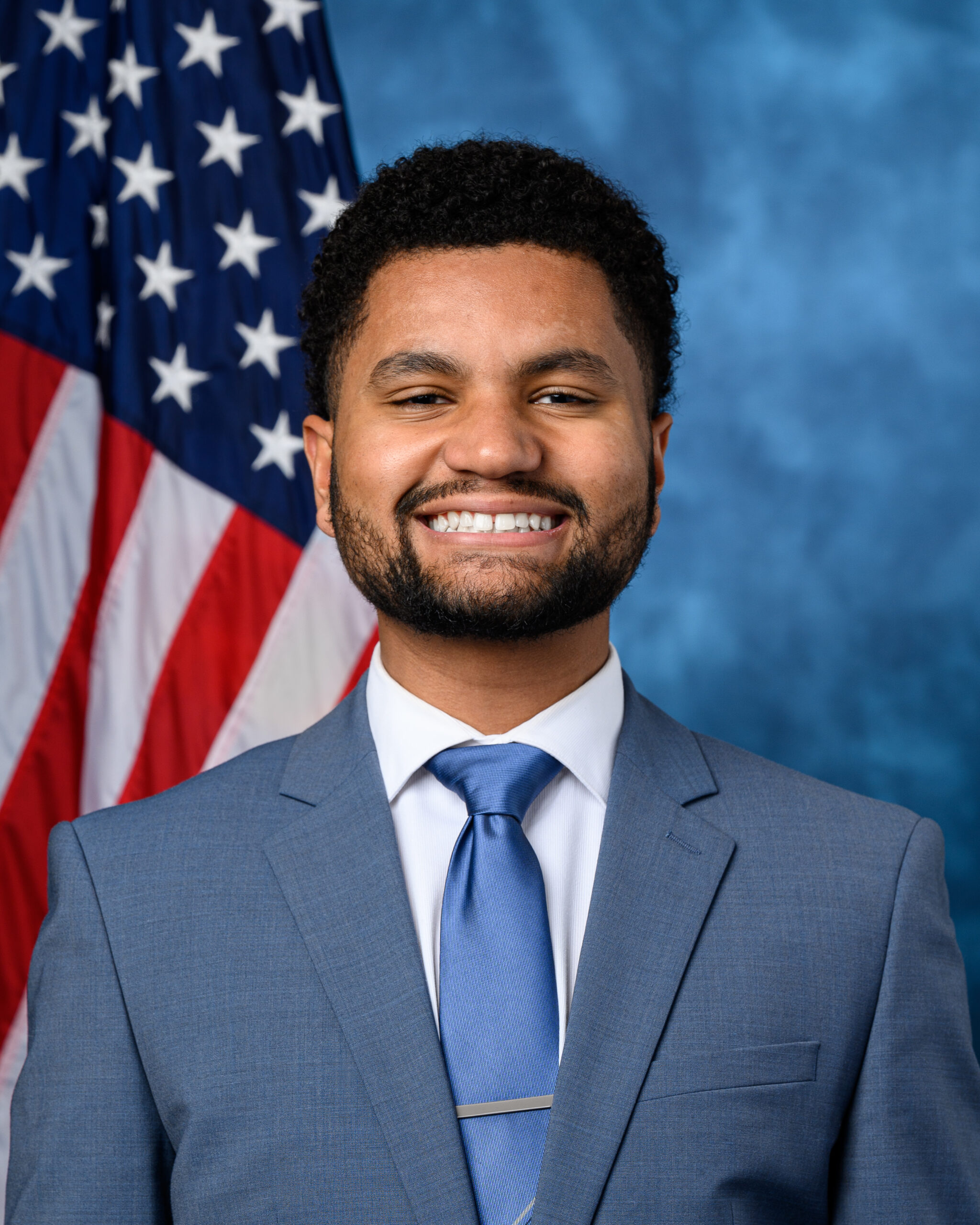
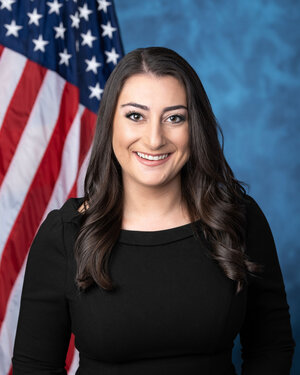
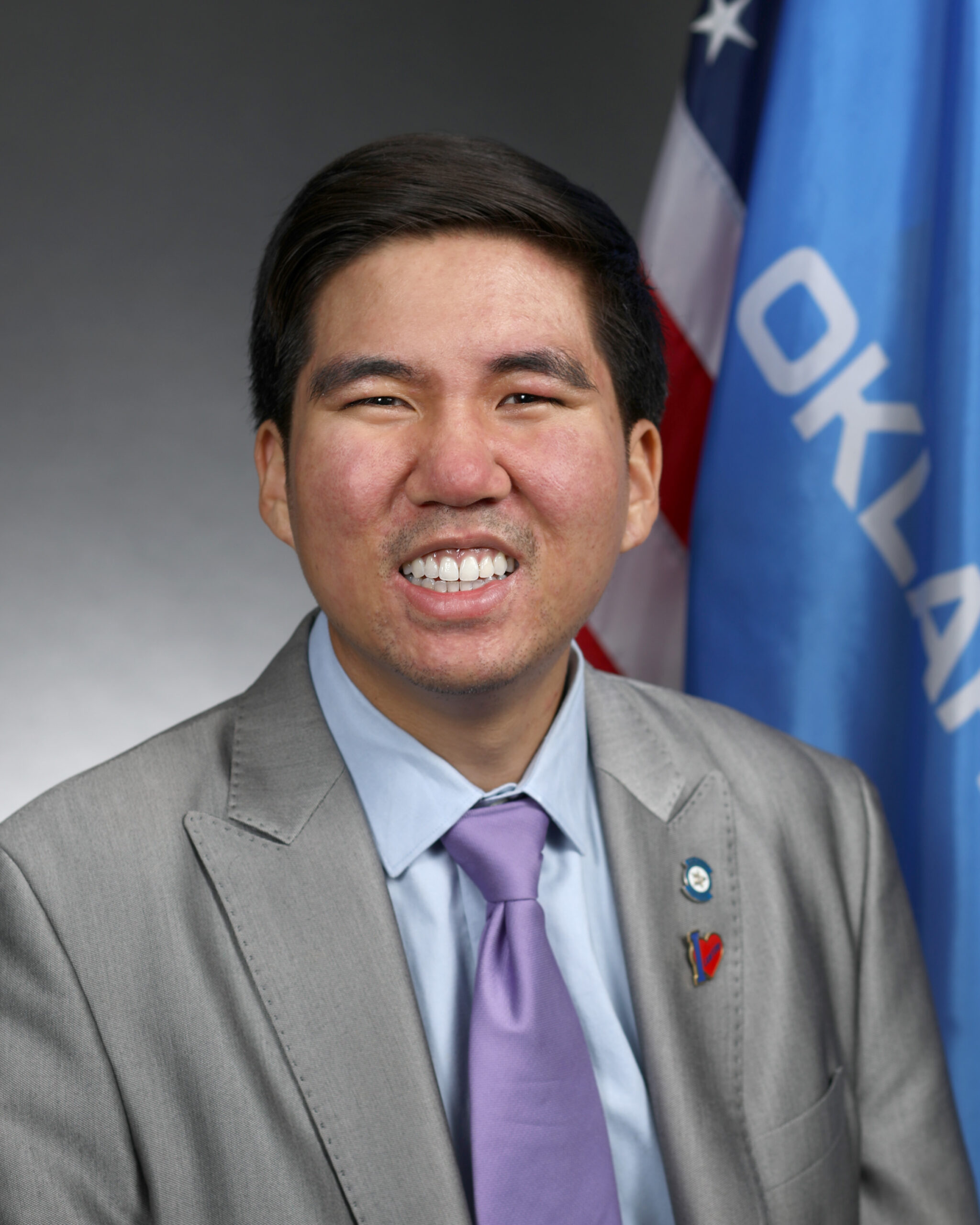
Gen Z is running for Congress. But where are the women?
Millennials and Generation Z now make up a third of congressional candidates, but men outnumber women 3-to-1.
That gap is widest among Gen Z, where more than 80 percent of candidates are male, according to Future Caucus.
Layla Zaidane, the president and CEO of Future Caucus, suggested rising political violence and institutional barriers are two explanations for the gender gap.
“One hypothesis is that we’re seeing candidates and public servants enter a political environment that has been plagued by political violence and often that hostility and aggression and violence is targeted towards women more than men,” Zaidane told The Hill.
“And so it’s not hard to imagine if you’re a Gen Z young woman, considering if you want to put yourself or potentially your family through that, that it just doesn’t seem like the juice is worth the squeeze,” she added.
Women also face structural barriers to entering politics, particularly at the state level, where low pay can make childcare unaffordable and government buildings often lack family-friendly facilities.
“I just think there are some logistical concerns that make it a tough pill to swallow for a young woman who is thinking about doing this,” Zaidane said.
“A lot of legislative buildings or state capitals don’t have bathrooms with changing tables or rooms for, you know, if you had to feed your child,” she explained. “We have a state lawmaker in Vermont — they don’t even have offices in Vermont — and she had a baby and was like, ‘Do you just go into a public bathroom and sit there to feed?'”
The CEO also pointed to Rep. Brittany Pettersen (D-Colo.), who was pregnant in 2025 and alongside Rep. Anna Paulina Luna (R-Fla.) sought to change congressional rules to allow proxy voting for new parents.
“Today marks the first day I am unable to fly to DC for votes due to travel restrictions ahead of my due date,” the Colorado lawmaker wrote in a January 2025 post to social platform X.
“It shouldn’t be this way. Congress must pass my bipartisan resolution to allow Members who are new parents to vote remotely,” Pettersen added.
The procedural rule failed to garner enough support.
“I think having more women helps make that balance a little bit more reflective of what it’s like to live in America,” Zaidane said.
She recalled a colleague who worked for a congressman who voted against legislation requiring changing tables in public buildings. The colleague, who had recently given birth, relied on her husband to bring their baby to work so she could feed and care for the child. While the need for changing tables was obvious to her, the congressman had focused primarily on the cost to taxpayers.
Electing more women and younger lawmakers could help modernize Congress and remove those barriers, whose institutional practices were established when its members came from far less diverse backgrounds.
“[The] institution was designed, you know, a really long time ago when everybody who served in Congress kind of looked the same and had the same background,” Zaidane said.
“Adapting and modernizing and making sure that women, young people, et cetera, can bring some of what would make the Congress feel more dynamic and alive and modern — I think those are things that we really need,” she added.
“More women, more Gen Zers, more new people to step into office in order to push those ideas forward.”

Join 2,000+ BIPARTISAN LEADERS NATIONWIDE
Be a part of a network of lawmakers committed to governing effectively, passing more representative public policy, and increasing public trust in democracy.