Meet the Standout Capstones from the 2025-2026 Innovation Fellowship
September 3, 2026
By Maya Mukherjee
The 2025-2026 round of Future Caucus Innovation Fellowships has wrapped up. The fellowship invites cross-partisan young lawmakers to deeply explore a policy area and identify opportunities for action in their own state. Future Caucus fosters their learnings and connects them to experts, research, and one another.
Each Innovation Fellow introduces bipartisan legislation in their area of focus. We want to highlight some of the standout capstone projects from the 2025-2026 Innovation Fellowship cohorts.
Victoria Gu – Energy & Environment
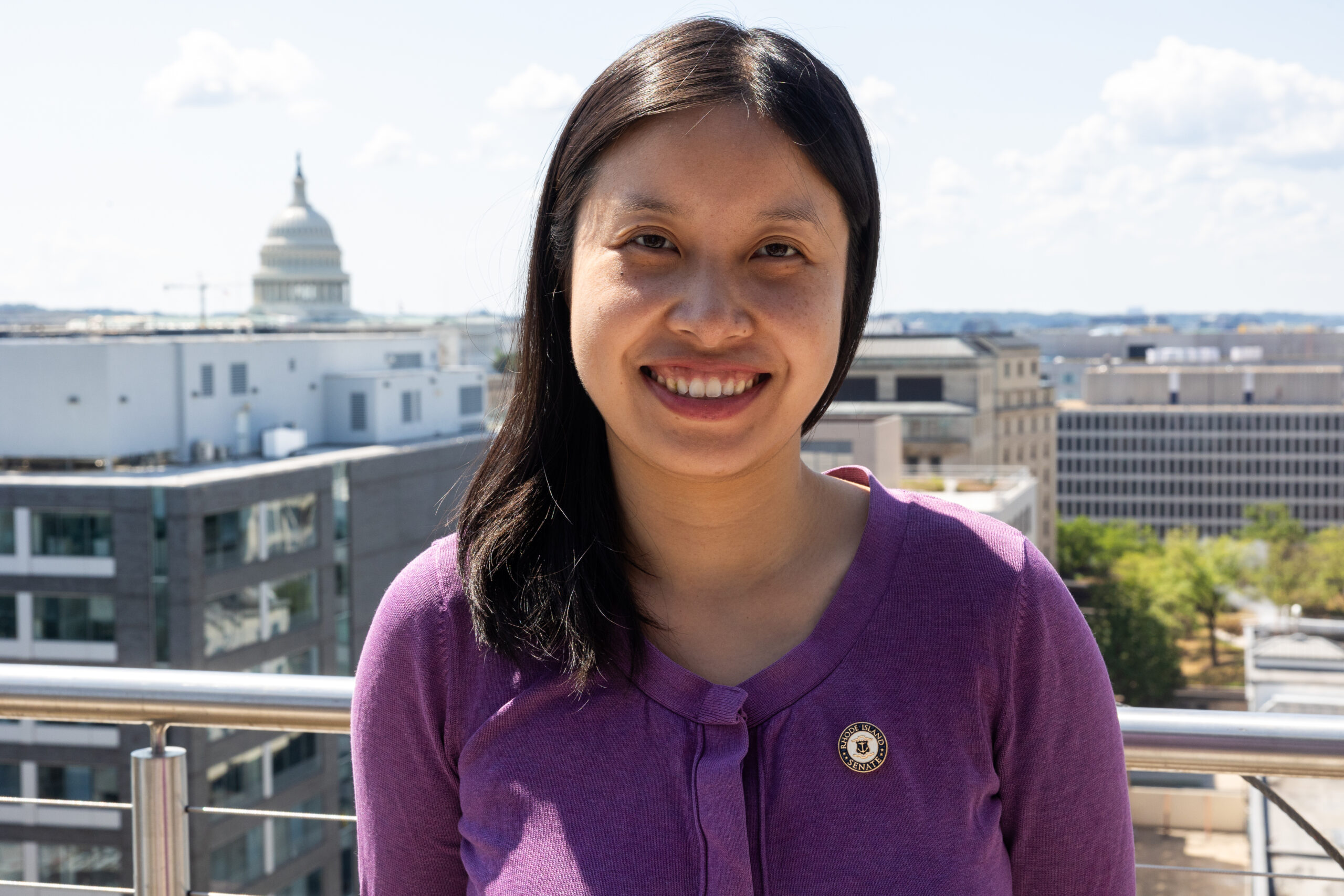
Sen. Victoria Gu, D-R.I., a 2025-2026 Energy & Environment Innovation Fellow, introduced a bipartisan Bring Your Own Container (BYOC) bill. Co-authored with Sen. Thomas Paolino, R-17, the bill would permit restaurants to allow customers to bring their own takeout containers. When Paolino raised the proposition as a way to cut down on plastic usage, Gu saw it as an opportunity to collaborate with a Republican colleague for her fellowship capstone.
In order to hammer out technical details related to food safety and liability, Future Caucus facilitated relationships with the Center for Biological Diversity, The Recycling Partnership, and Upstream Solutions. Gu also drew on similar existing BYOC legislation in other states, although those were primarily passed before the 2024 Supplement to the 2022 Food Code, which introduced new provisions, definitions, and guidelines that Gu’s legislation needed to comply with.
At the end of the 2025-2026 legislative session, the bill remained in the Senate Committee on Commerce — but Gu is persisting with the bill, resolving technical issues so it can be reconsidered in the next session. Her cross-partisan collaboration and partnership with reputable organizations has added credibility and viability to the proposal.
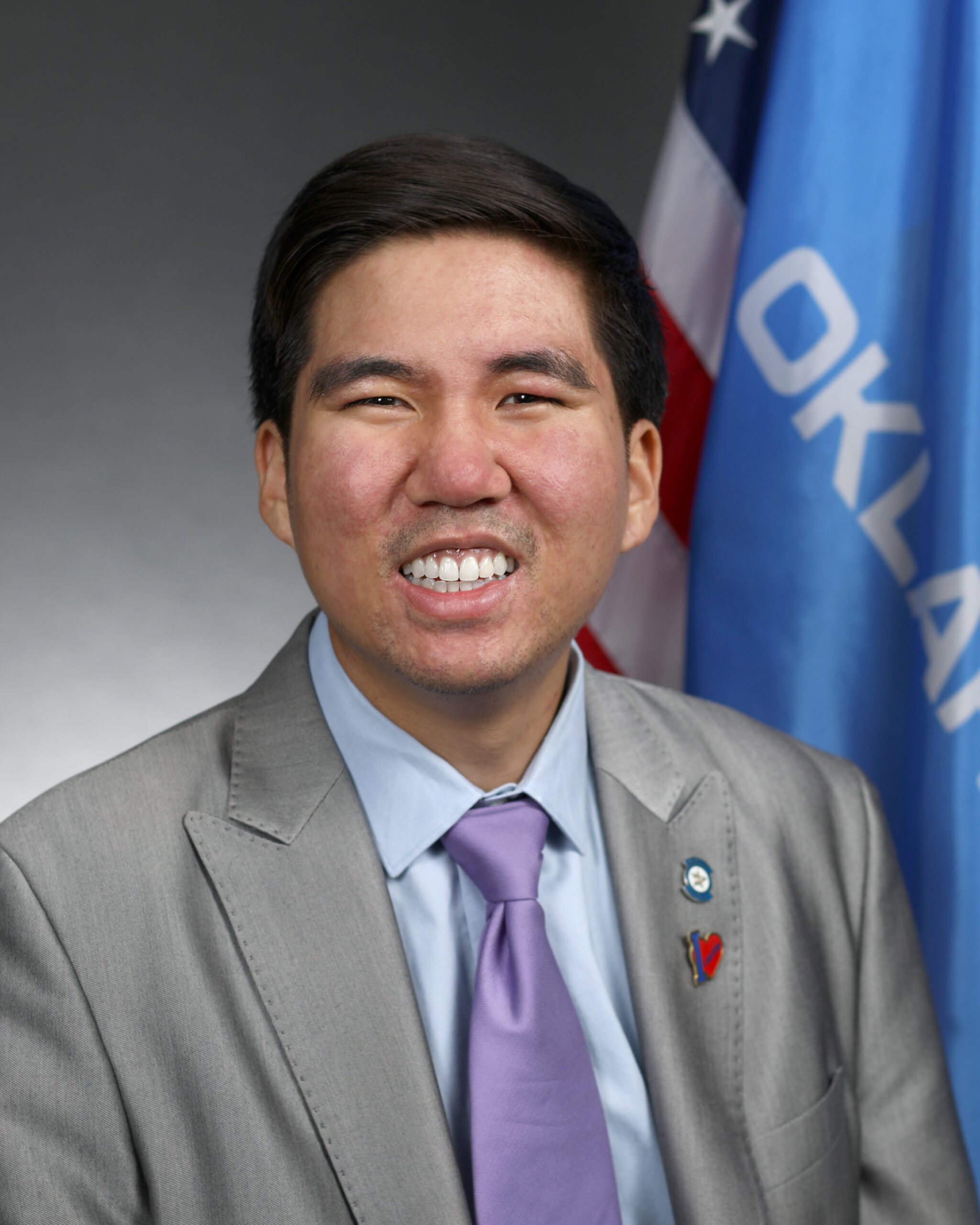
Rep. Mike Smith – Civic Innovation
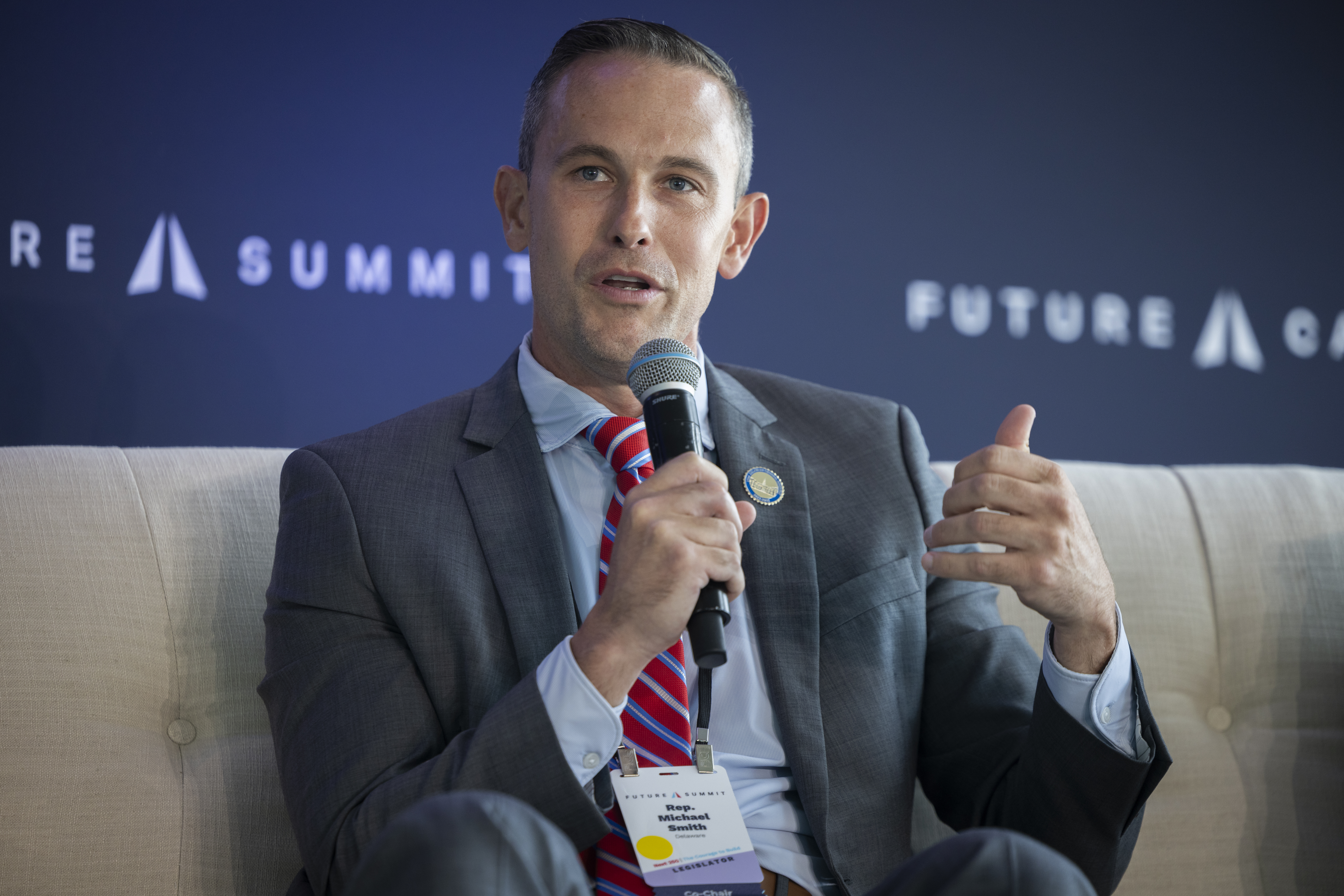
Rep. Mike Smith, R-Del., a 2025-2026 Civic Innovation Fellow, co-authored a bipartisan bill to introduce open primaries in Delaware alongside Rep. Kim Williams, D-19. Delaware currently has closed primaries, meaning only voters registered with a certain party can vote in that party’s primary elections. This means that the 17,000 registered voters in the state who are unaffiliated with a party — about one-third of registered voters — cannot vote in primary elections.
Smith was inspired to pursue the open primaries legislation in part due to his own experience being elected to the state legislature, since only the 25% of the state’s population that is registered Republican was eligible to vote for him in the primaries. Smith had previously participated in the 2024 Strengthening Democracy Innovation Fellowship, and the trip to Denver with that program solidified his confidence in the viability of open primaries as he was able to draw inspiration from other states.
When he originally introduced his bill, it was a single-sponsor initiative, and he failed to get it out of the committee stage. However, he reintroduced the bill in 2025 and brought on Williams, adding bipartisan credibility to the proposal. He also gained support from the ACLU, League of Women Voters, and Indivisible. Furthermore, Smith won over fellow Republicans by appealing to their individual personal fates in a predominately blue state. On June 30, 2026, the last day of Delaware’s legislative session, the bill passed the House.
Smith has shifted his strategy to appealing directly to voters. He is actively connecting with voters via coffee meetings and a dedicated Facebook community group, aiming to apply direct pressure on lawmakers in their home districts.
Terrell McKinney – Criminal Justice
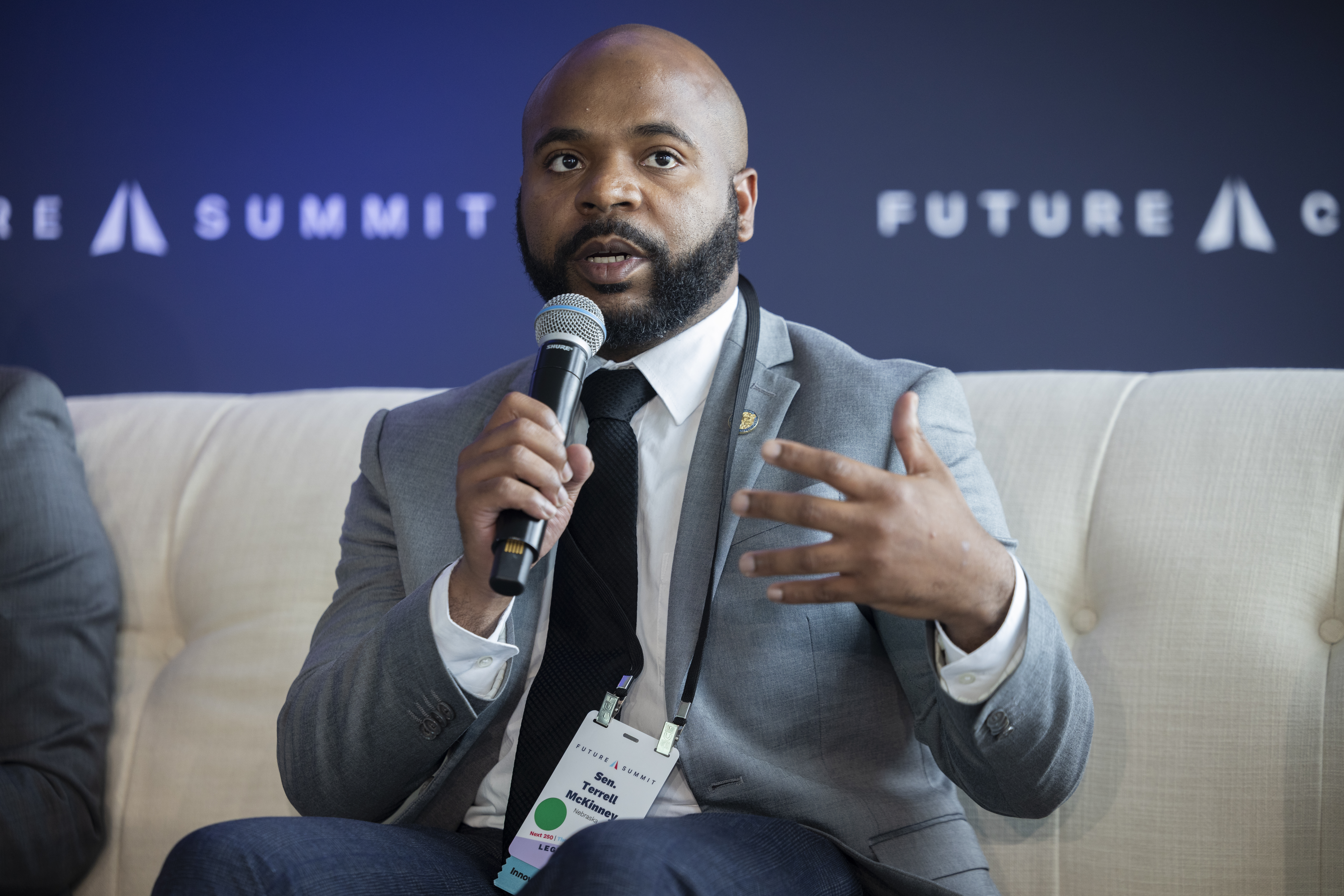
Sen. Terrell McKinney, I-Neb., a 2025-2026 Criminal Justice Innovation Fellow, introduced a package of three bills in 2026 — two have been passed and one will be reconsidered in 2027.
In 2025, McKinney spent time visiting correctional facilities and listening to prisoners’ stories to inform his work. As part of the fellowship, McKinney traveled to Little Scandinavia in Pennsylvania, a cutting-edge correctional facility based on principles of human dignity. Inspired by these experiences, McKinney introduced the Collateral Sanction Relief Act, which aims to reduce barriers to employment for people who have already served their criminal sentences. The bill stalled because the Nebraska Supreme Court put a fiscal note on it citing high data collection costs, so McKinney shifted his focus to the other two bills.
LB1216 mandates correctional facilities to provide educational services to inmates under 21, while LB962 requires several departments to develop a program to help justice-impacted people under 19. Both were signed into law in April. Nebraska has a unicameral and nonpartisan legislature, so McKinney introduced the bills as an independent, although he is aligned with the Democratic Party. He collaborated closely with Republican-aligned committees, chairs, and justices to move his bills forward, and worked with the state supreme court to understand their fiscal note calculations. By fostering a broad coalition of support and working closely with other government branches, McKinney was able to pass his bills allowing a brighter future for formerly incarcerated youth.
Rep. Dr. Megan Srinivas – Prenatal to Three
Rep. Dr. Megan Srinivas, D-Iowa, a 2025-2026 Prenatal-to-Three Fellow, drew on her own experience as a physician to secure funding for three healthcare initiatives. She has observed firsthand how a diversity of patients interact with the healthcare system, informing her work as a lawmaker.
The first bill in her capstone project regulates the use of AI in prior authorization from insurance companies to ensure there is human oversight in the process. Several physician groups approached Srinivas with a wide-reaching proposal, leading her to expand the scope of the initiative. She passed the bill by working with two Republican colleagues and avoiding publicity so as to not draw backlash. The bill was signed into law in May.
Srinivas’ second bill — also signed into law in May — secured funding for SAFE centers. She was inspired to introduce the bill by a SANE nurse who approached her. The first iteration of the bill died in committee, so Srinivas re-introduced it with a Republican colleague, Rep. Brian Lohse, R-30. After stalling, momentum shifted in favor of the bill after a survivor shared her personal testimony and that survivor’s husband — prominent conservative Iowa radio talk show host Simon Conway — used his platform to lobby for the bill. The bill passed at the very end of the legislative session, securing $500,000 of annual funding for a landmark SAFE center in Des Moines.
The final component of Srinivas’ project is funding pediatric cancer research. Her original proposal stalled due to budget constraints, but she coordinated a highly visible demonstration on the House floor alongside several Republican colleagues. Each participating lawmaker brought a family member of a cancer patient or survivor onto the chamber floor, creating pressure that secured a $3 million allocation.
Join 2,000+ BIPARTISAN LEADERS NATIONWIDE
Be a part of a network of lawmakers committed to governing effectively, passing more representative public policy, and increasing public trust in democracy.