On Generational Housing Crisis, Young Lawmakers Chose Pragmatism Over Partisanship
April 23, 2026
By Eva Herrick
As housing costs and demand continue to rise, it has become increasingly difficult for families to buy a home and build generational wealth—and in many metro areas, to even find a rental that is affordable without multiple roommates or side hustles. America is plagued by a housing crisis that disproportionately impacts Gen Zers and millennials, and young lawmakers are bringing their lived experience to the search for policy solutions.
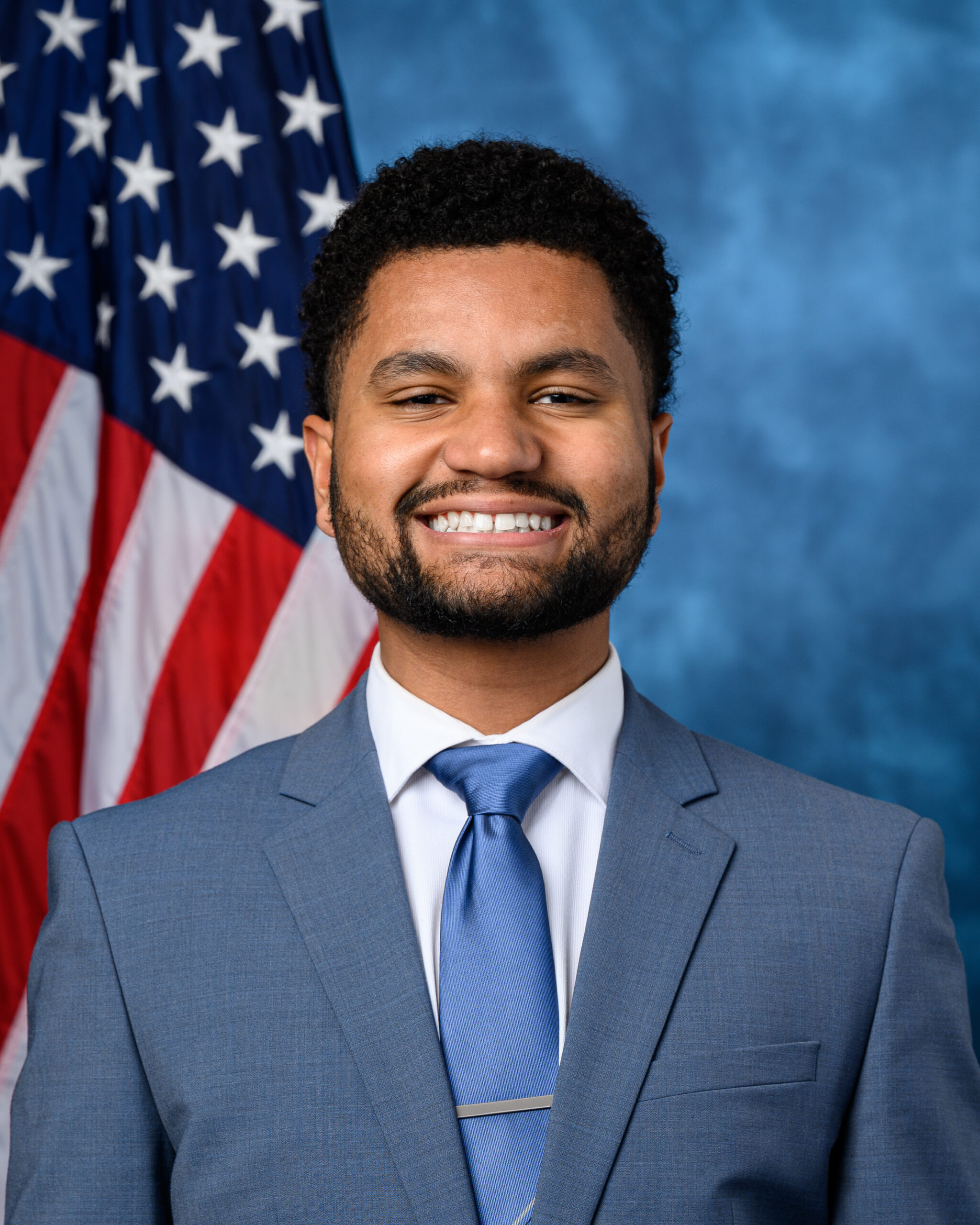
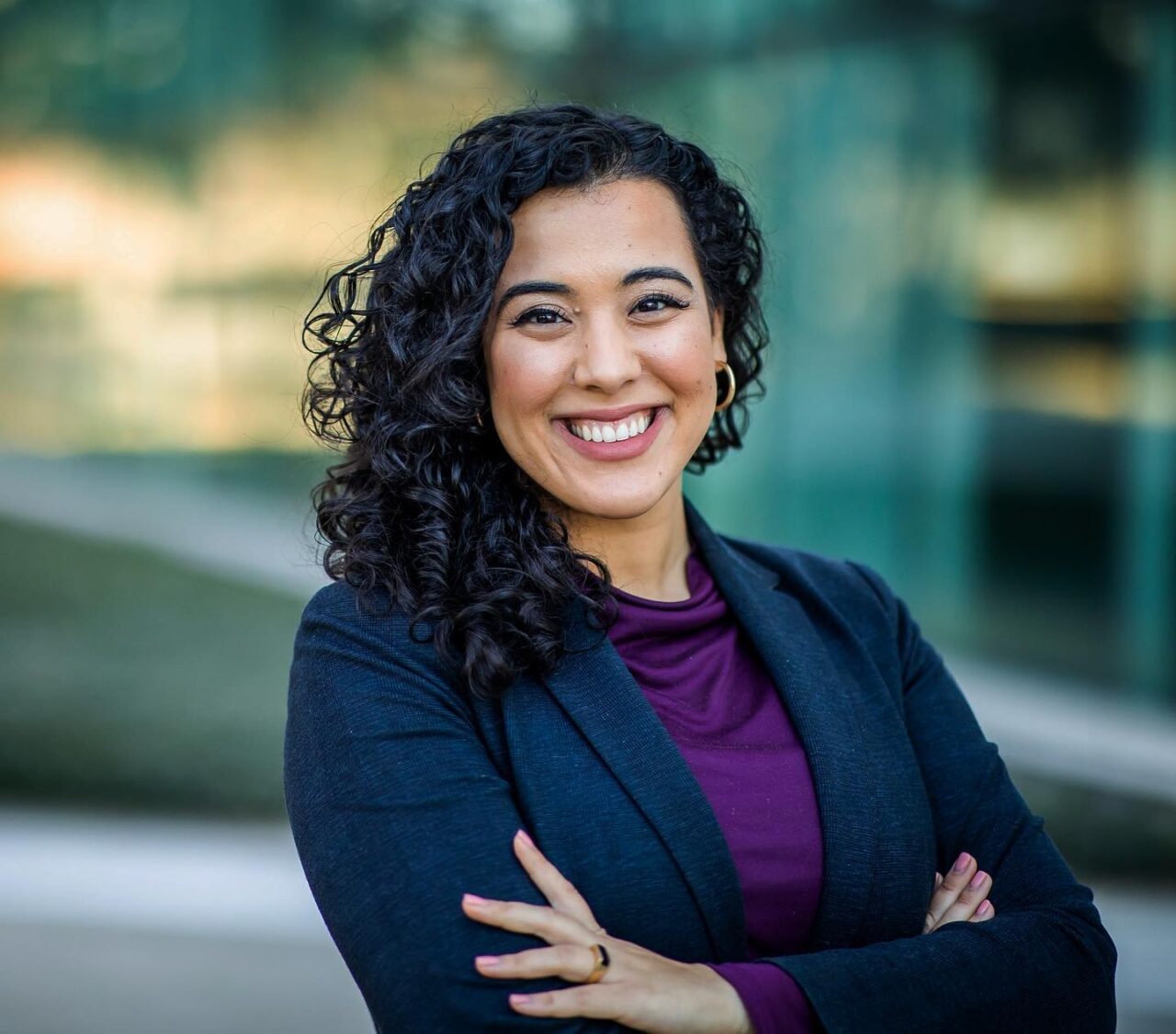
For Rep. Tarik Khan, who represents Pennsylvania’s 194th district in Philadelphia, lowering costs, making affordable housing a reality, and helping families prosper in this economy are all about common sense legislation.
“It was bad policy that got us into this mess, and it’s good policy that can help us get out of it,” Khan told Future Caucus in an interview.
Khan is taking that mantra and running with it. In the current legislative session, he has five major pieces of housing legislation in the works that address a wide range of specific issues, from relaxing landlord requirements for older adults to converting former commercial spaces into residential housing.
These bills help create communities that work for all generations by taking a pragmatic approach to correcting decades of overregulation. To achieve this, Khan also draws from his own experience as a young professional. Twenty-five years ago, he could split a four-bedroom apartment for $500 a month—in the intervening years, minimum wage has only slightly increased, while home prices in the Philadelphia area have risen around 240%.


To address the discrepancy, Khan proposed HB 2109, also known as the Golden Girls Law, which amends outdated Pennsylvania laws that limit the number of unrelated roommates in one home. Pennsylvania is short over 265,000 affordable housing units, so by removing these arbitrary roommate caps, Khan seeks to mitigate the state’s housing shortage.

The Golden Girls Law is more than a cute name. It is a reminder that policy doesn’t always have to reinvent the wheel. In fact, much of the most effective policy draws on specific logical inconsistencies in prior regulation.
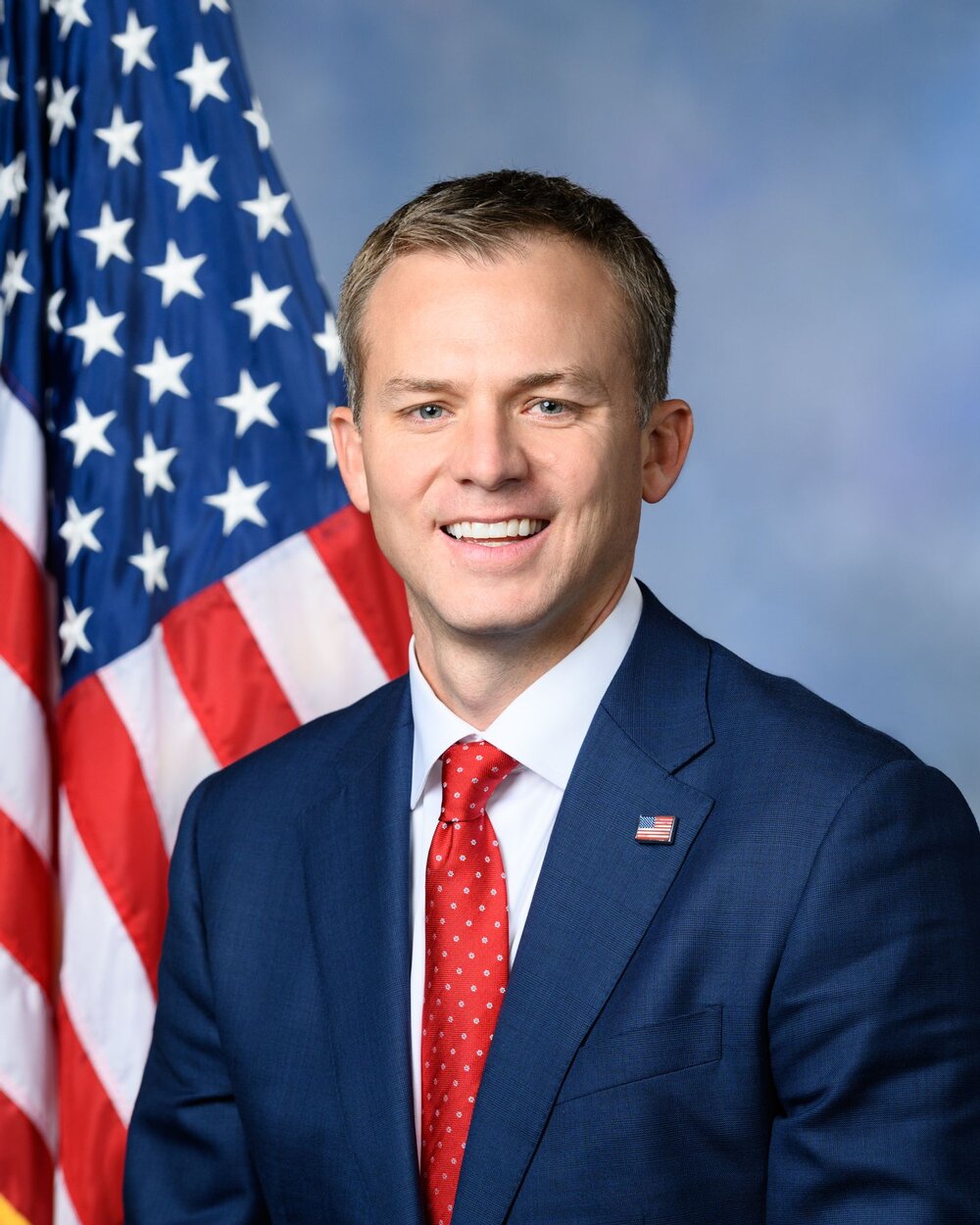
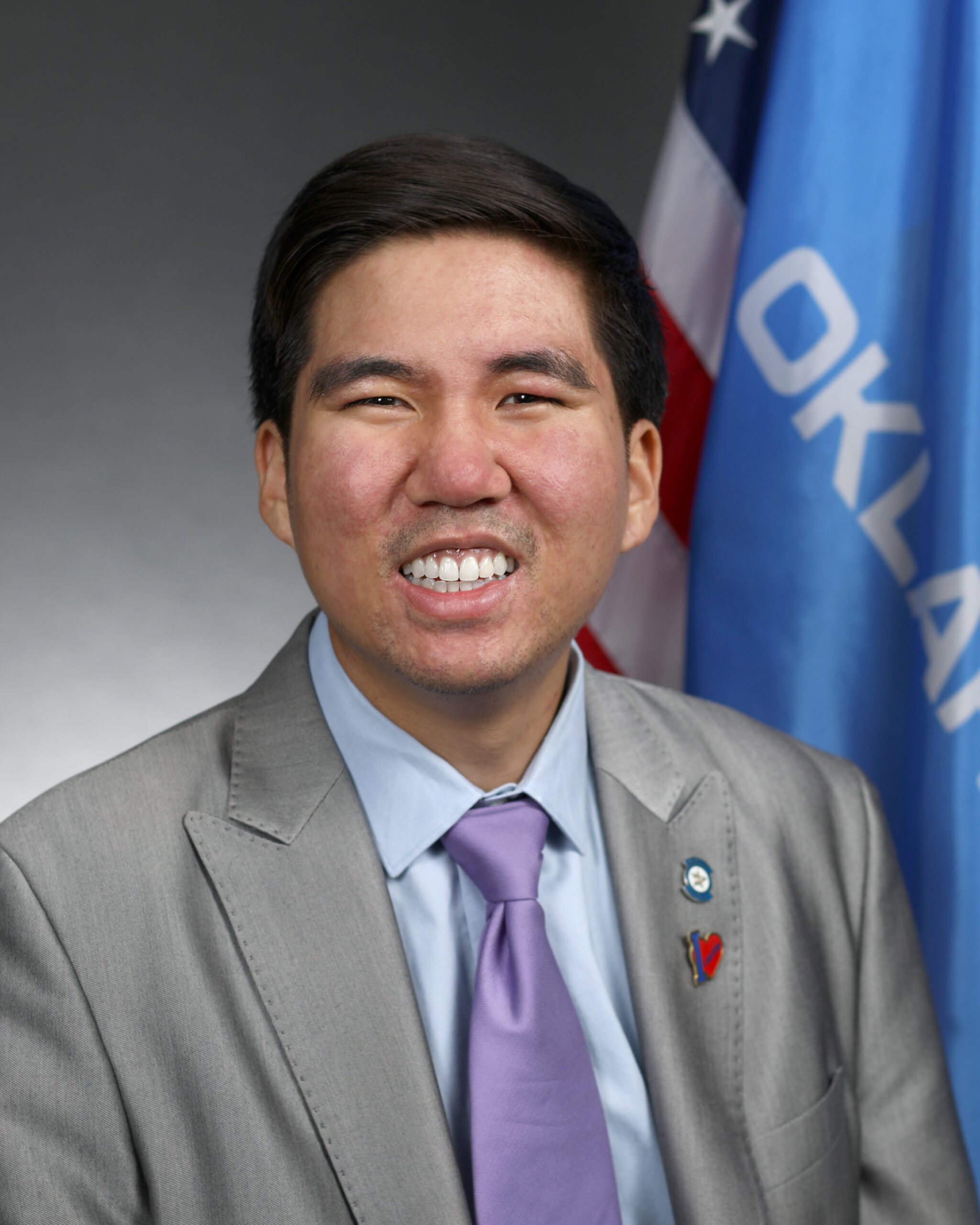
Across the country in Kansas, Rep. Rui Xu, the Democratic co-chair of Kansas Future Caucus, representing House District 25, is having similar conversations in his own chamber. While working with fellow Future Caucus co-chair Rep. Nick Hoheisel, R-97, on SB 418, a bill that removes red tape and allows homeowners to build accessory dwelling units by-right in municipalities that allow them, Xu found himself spending more time negotiating with his own party than with his colleagues across the aisle.
“Deregulation doesn’t always have to be a four-letter word for Democrats,” Xu said.
While Xu faced the added challenge of resistance from his own party, it was important for him to find specific areas where regulations could be rolled back in order to build housing for those who need it. Xu, who is now building an accessory dwelling unit in his own home, has tapped into the potential of his community by approaching housing policy from a practical perspective instead of a theoretical one.
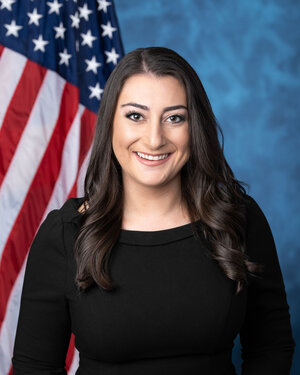
Similarly, Sen. Alexis Calatayud, who represents Miami-Dade County in Florida and serves as Republican co-chair of the Florida Future Caucus, is fighting for housing policy that unlocks the potential of underutilized spaces. Through the Live Local Act, Calatayud is working with the largest real estate holders in the state, school boards, to transform unused scholastic property into housing for school district personnel. Given the enthusiasm for this creative, cross-sector strategy, Calatayud hopes to scale the policy to maintain affordability for law enforcement, firefighters, and other public servants.
Coming up with creative policies is only the first step. In order to pursue effective housing policy, collaboration is key. For Xu in Kansas, this collaboration came from not only across the aisle, but from other states.
At Future Summit 2024, Xu made a new connection with Montana Sen. Ken Bogner. Xu was particularly excited by Bogner’s instrumental work on a set of affordable housing policies known as the Montana Miracle, so much so that he invited the Montana Republican to speak to the Kansas legislature.
Bogner’s hearing was a turning point not only for Xu in his policy work, but also for the Kansas legislature to start thinking about the possibilities for transformative housing policy. Like Xu, Khan has also looked to states that have used policy to create an affordable and desirable place to live. He hopes that by understanding states that have an influx of people moving there, like Texas and South Carolina, he can have a blueprint for his own policy to bring people to Pennsylvania.
By taking inspiration from other states to create policies that address the needs of their own communities, lawmakers can help garner support from across the aisle.
“I think it is easy to get bipartisan buy-in on these bills because you have a lot of similar interests,” Khan said.
Securing bipartisan support is crucial to craft policy that works for everyone. In the wake of Bogner’s hearing, Xu began pursuing affordable housing legislation with his colleague across the aisle and fellow co-vice chair of the Kansas Future Caucus, Republican Rep. Nick Hoheisel. Since entering the legislature as freshmen, the pair have taken a friends-first approach, which has neutralized some of the typical partisan barriers to collaboration.
“We kind of quickly realized that even though philosophically we might not agree on everything, we could always talk about anything, and there was never any judgment there,” Xu said.
By looking across the aisle and state lines, these legislators have gained valuable inspiration to reinvigorate housing policy in their home states. Through pragmatism and bipartisan collaboration, the young lawmakers of Future Caucus are addressing the multi-generational housing crisis head-on, creating policies that make sense for their states and communities.
“As elected officials, our goal is to be folks that are fighting for common sense,” Khan said. “Fighting for things that allow people to pursue the American dream, life and liberty.”

Join 2,000+ BIPARTISAN LEADERS NATIONWIDE
Be a part of a network of lawmakers committed to governing effectively, passing more representative public policy, and increasing public trust in democracy.