Reflecting on 2025: Young Leaders Choose Solidarity over Division
December 18, 2025
By Layla Zaidane, President and CEO
If you only followed national headlines this year, you’d think American politics is on its last legs. Partisan divides deepened. Trust eroded—in democracy and in each other. Public servants faced dangerous realities that would make anyone question why they chose this work in the first place.
But that’s not the whole story. Spend time with the young lawmakers of the Future Caucus network, and a different picture emerges: one where curiosity overpowers cynicism, where collaborative problem-solving is more plan than pipe dream, and where people with seemingly incompatible perspectives build governing partnerships grounded in personal respect, admiration, and even fondness. 2025 certainly tested that model, but it also proved its value.
The past two decades have seen a steady decline in global freedom, and 2025 made the fragility of our own democracy impossible to ignore. This year, political violence in Minnesota and Utah rattled the country, but what Future Caucus members did in response spoke volumes about the culture they are building. Lawmakers across the network immediately turned to one another—sharing information, offering support, and speaking out together against political violence. That instinct didn’t come out of nowhere; it grew from years of showing up, listening, debating in good faith, and keeping each other’s humanity at the center.
In difficult moments, they are much more than their political identity. They are men and women who have chosen a life of public service, and who need each other’s support and community to navigate the challenges they are facing. Weathering shared difficulties also means that when it’s time to celebrate one another’s successes, this community becomes each other’s loudest cheerleaders—as demonstrated at our annual Rising Star Awards.

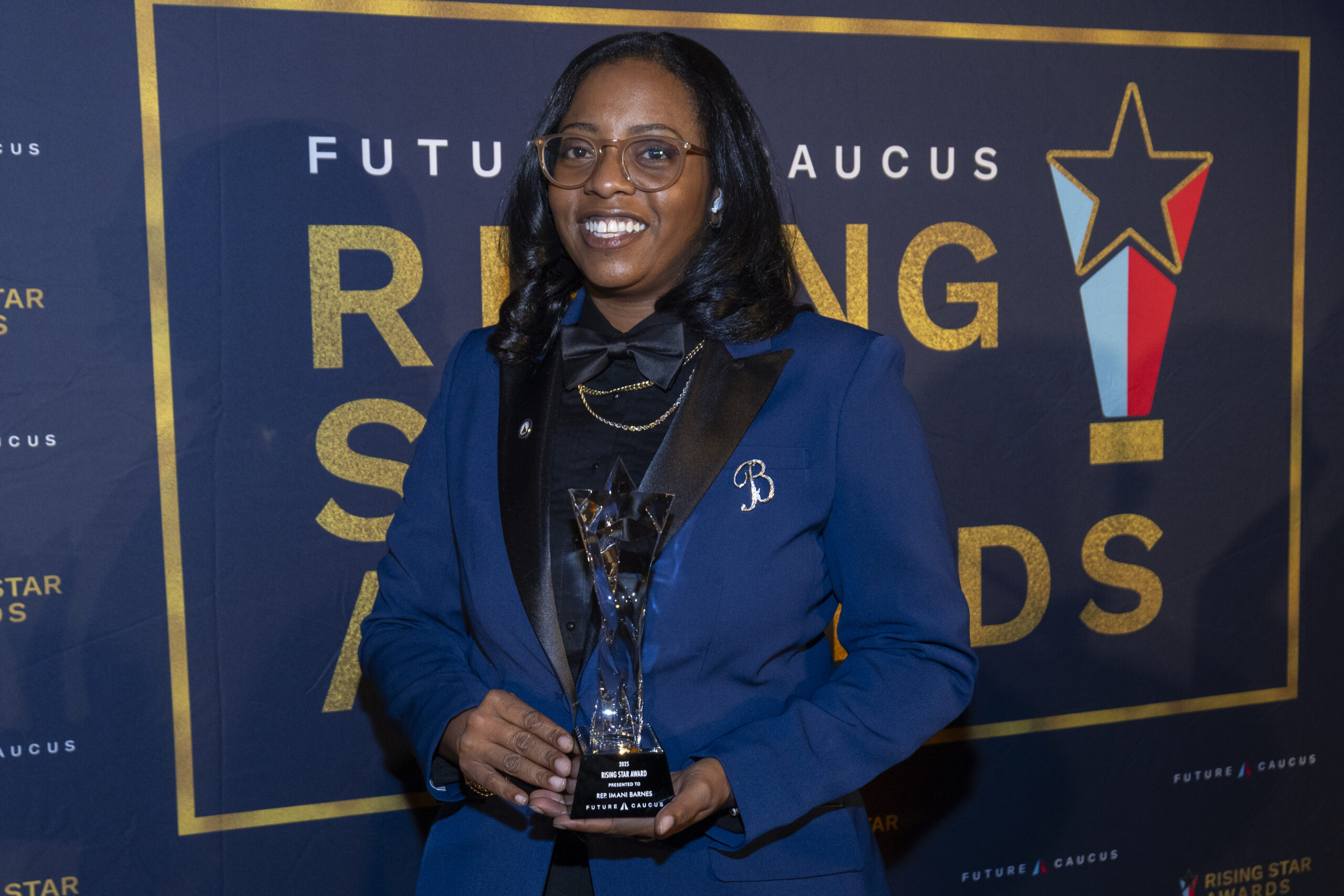



Each fall, Future Caucus hosts this event to spotlight young lawmakers who walk the talk on constructive, cross-partisan leadership. This year carried more weight. For the first time, we also awarded the Jacob K. Javits Prize for Bipartisan Leadership, adding members of Congress to this special celebration. Honoring leaders like Sen. Lisa Murkowski and Rep. Marie Gluesenkamp Perez sent a clear signal: collaboration may not be the quickest way to score political points in today’s climate, but it remains the most reliable way to govern, and the people willing to stand up to the loudest extremes—especially within their own parties—and keep working across the aisle deserve reinforcement if we’re serious about getting our politics back on track.
2025 also put a brighter national spotlight on this work. Being named to the TIME100 Next and receiving the McNulty Prize—one aspect of which was the production of a wonderful short film about Future Caucus!—were meaningful not for the attention itself, but for what they signaled. These recognitions show that what our members are doing is resonating far beyond the pro-democracy and bridge-building spaces. America is hungry for leaders who can chart a path out of a divided, dehumanizing political culture. We’re immensely proud that Future Caucus and our network can answer that call and model what good governance and innovative civic infrastructure really look like.
For anyone new to Future Caucus’ work, the Innovation Fellowship is one of the clearest windows into our approach. This year, 64 Gen Z and millennial lawmakers from 34 states signed on to dive deep into four urgent policy areas: prenatal-to-three health, criminal justice, civic innovation, and energy and the environment.
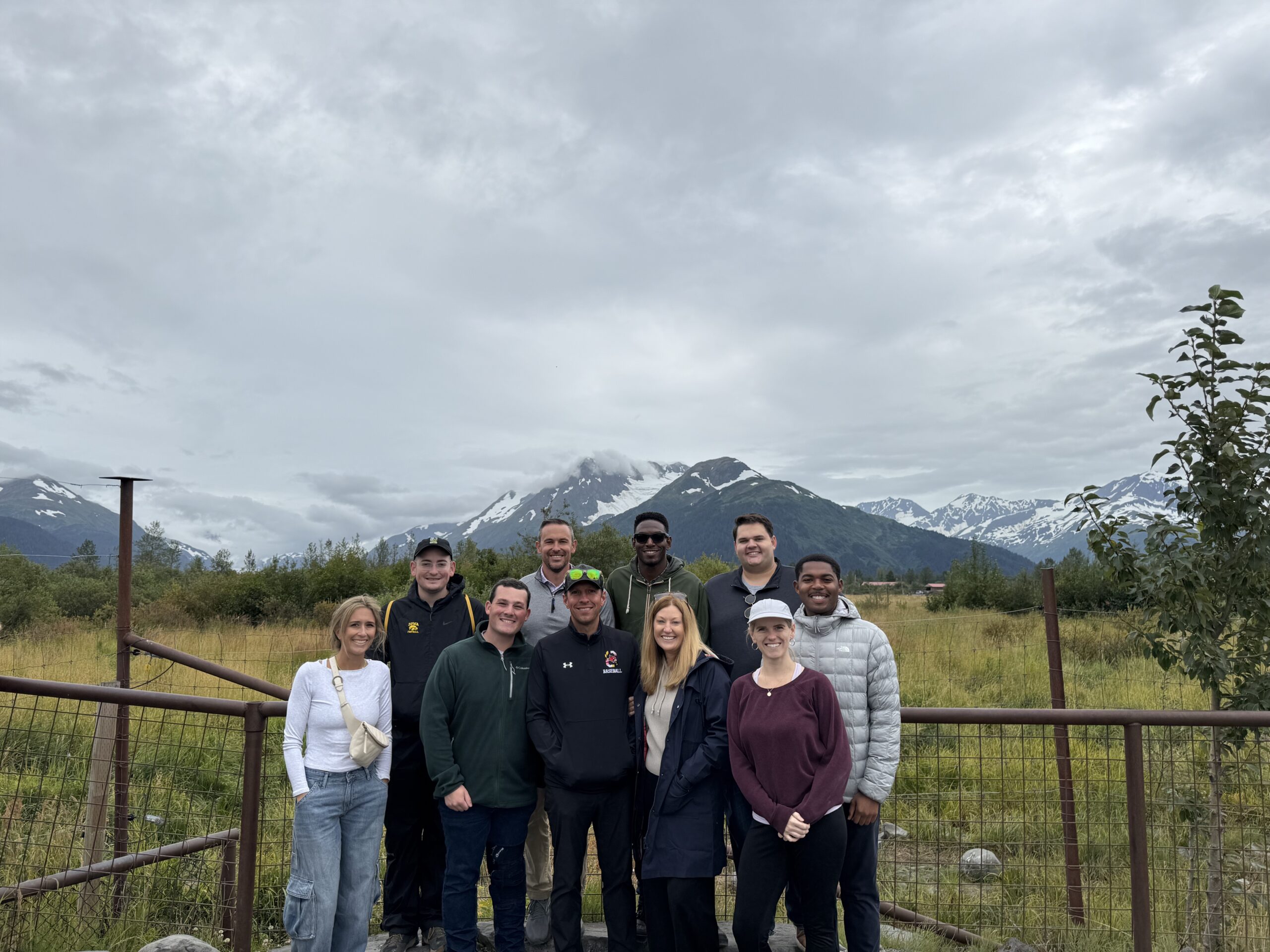
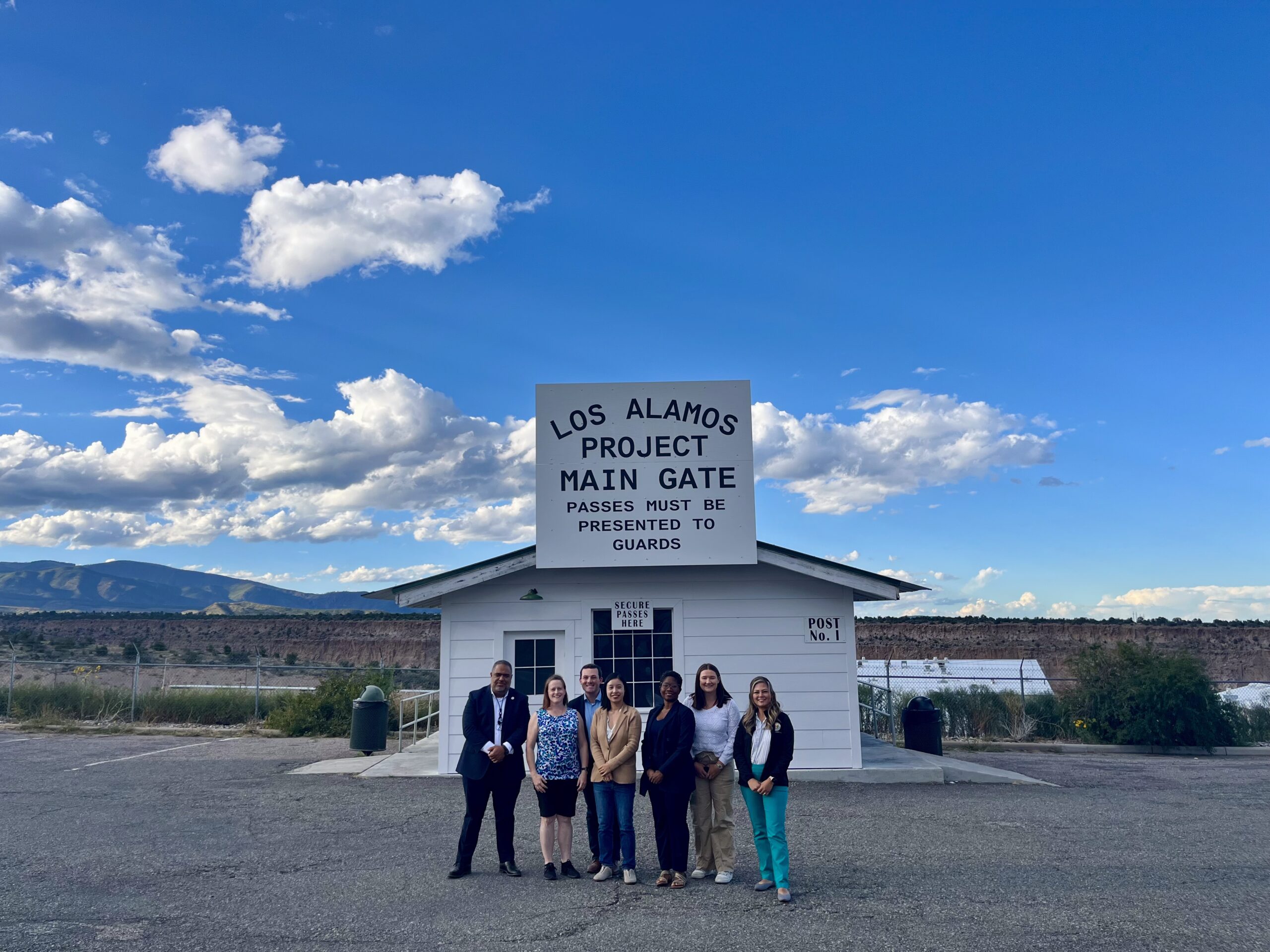
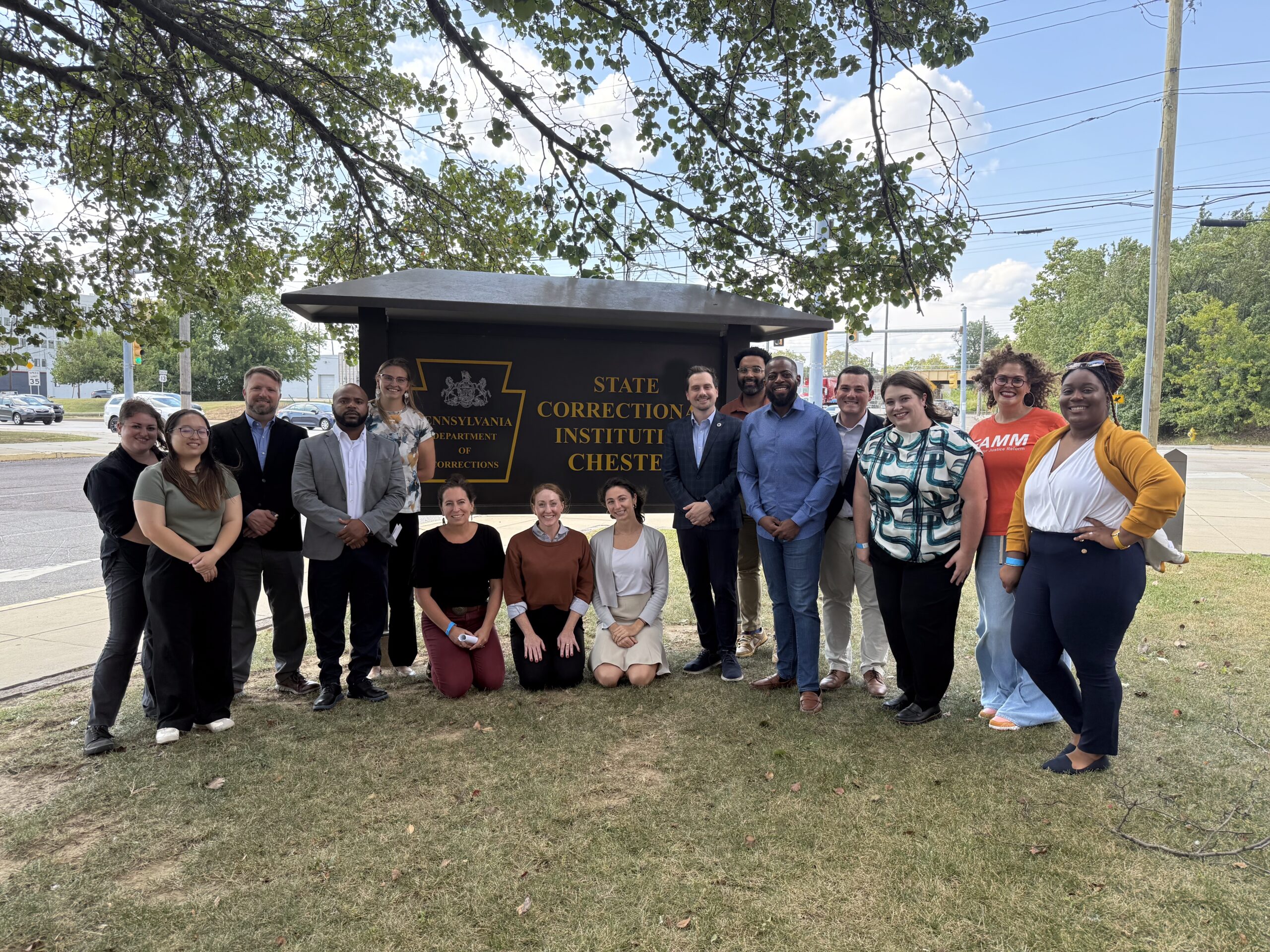
In addition to meeting virtually each month for expert briefings and to share lessons learned about what was actually working back home, fellows had a rare opportunity to see how these policies are developed and play out on the ground. They went to Arkansas to see maternal-health systems up close and study the impact of Future Caucus-led legislation to expand access to care, to Pennsylvania to study cutting-edge criminal justice reforms, to New Mexico to understand how environmental and energy policy plays out on the ground, and all the way to Alaska to learn how the state is rethinking electoral choices and representation. That kind of direct access to implementers and affected communities gave them a level of depth and context that most state lawmakers simply don’t get in the daily grind.
One example of how that collaboration is evolving is the bipartisan National Task Force on State AI Policy, which launched in October with 12 Gen Z and millennial state legislators who have direct experience with technology, education, economic development, and regulatory policy. Many lawmakers don’t come from a technical background, but AI is already reshaping nearly every policy area they oversee. The task force helps legislators connect the dots, ask better questions, and lead responsibly at the state level, underlining the importance of thoughtful, cross-partisan problem-solving in an era defined by unprecedentedly rapid technological change.
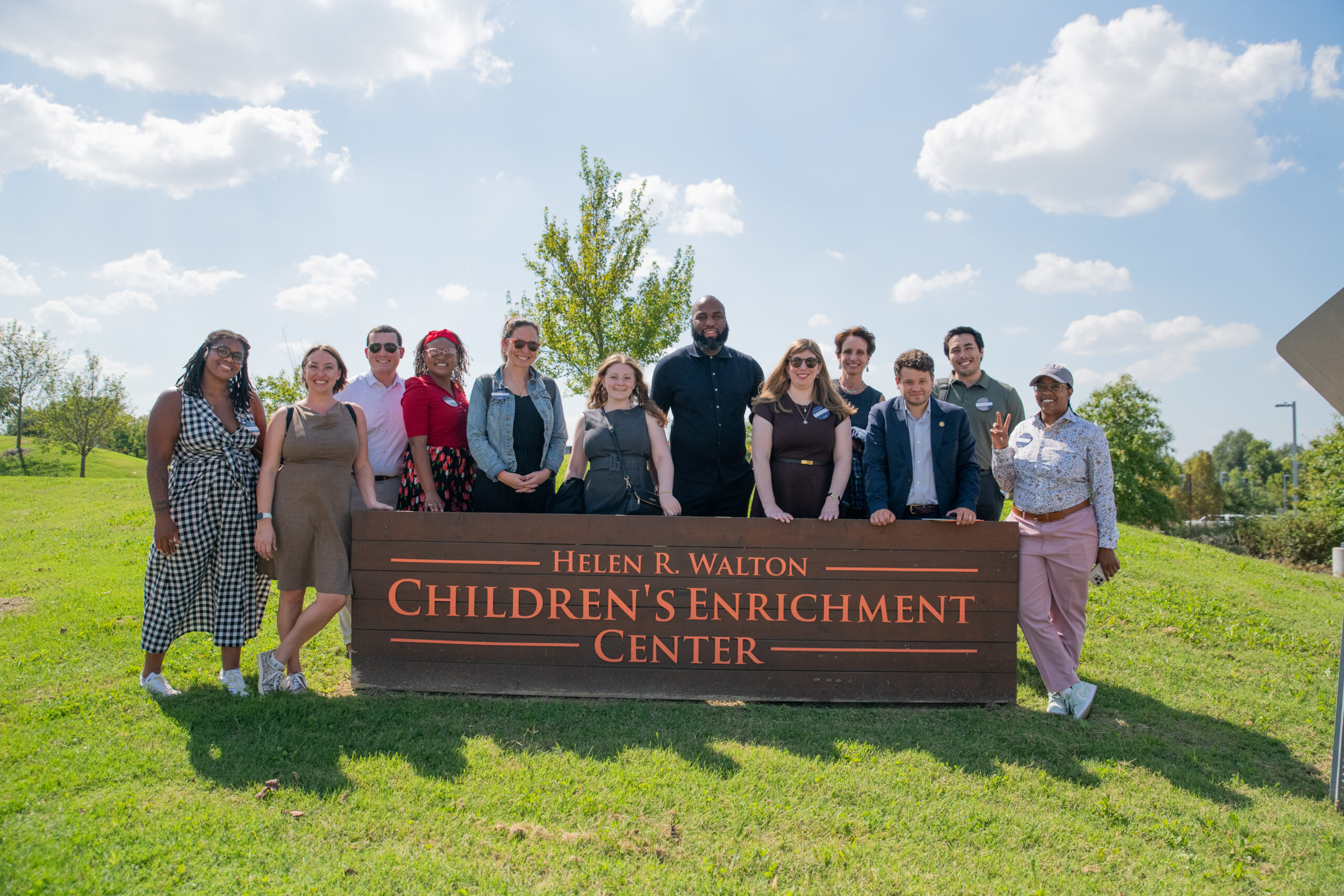
In Arkansas, bipartisan co-chairs of the state’s Future Caucus championed the Healthy Moms, Healthy Babies Act, a major step forward in prenatal and maternal health. Elsewhere, members worked across the aisle on issues like workforce stabilization in the face of AI, mental health supports, and protecting vulnerable youth.
Most of the country’s most impactful legislation still happens at the state level, and that’s where this network is growing the fastest. Two more states—South Carolina and North Dakota—launched Future Caucuses this year, bringing the total to 36.
A simple but crucial pattern is emerging: When lawmakers invest in building relationships first, they legislate with more creativity, humanity, and perspective.
Here’s the real takeaway from this year: The incentives of modern politics still tilt hard toward conflict over solutions, but a rising generation of leaders is fostering a counter-culture of good faith and proving there’s another way. More than 1,900 Gen Z and millennial lawmakers have engaged with Future Caucus so far. Their work shows that polarization—while very real—is neither immutable nor inevitable.
As 2025 wraps up, I feel the weight of the challenges ahead, but I am bolstered by the determination and positivity of the people doing this work. If you believe public service can still be a force for good, pay attention to these young leaders. At Future Caucus, we’re honored to support them, providing the community, tools, and space they need to keep this work moving forward.



Join 2,000+ BIPARTISAN LEADERS NATIONWIDE
Be a part of a network of lawmakers committed to governing effectively, passing more representative public policy, and increasing public trust in democracy.