Keeping Pace with AI: Young Lawmakers Search for Solutions
August 20, 2026
By Maya Mukherjee
Artificial intelligence is increasingly present in our everyday lives, from customer service and search engines to targeted advertising and countless behind-the-scenes applications. For state lawmakers, that rapid transformation presents a difficult challenge: how do you regulate a technology that evolves faster than the legislative process?
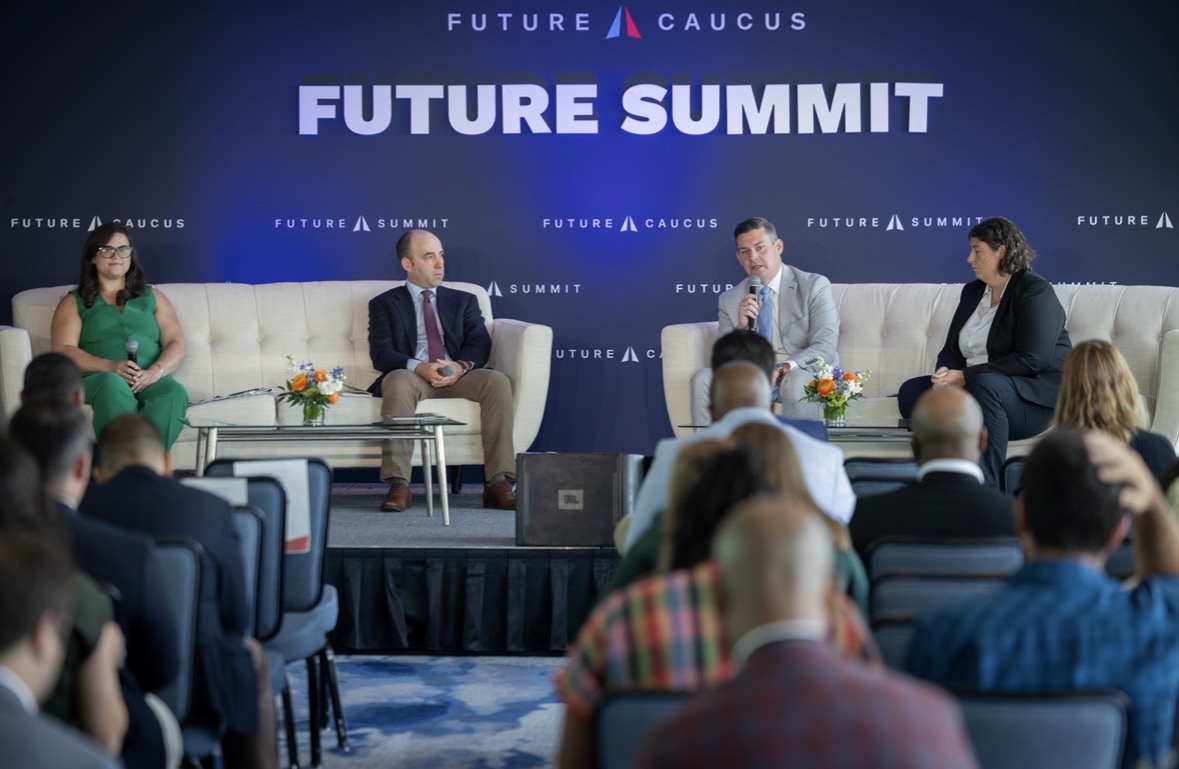
“It became apparent that we were entering into a new chapter that we as legislators and society at large had not truly been thinking about,” Sen. Michelle Hinchey, D-N.Y., said in a panel about AI governance at Future Summit 2026. “AI is here, it’s part of our world, it’s not going anywhere — but we also have to think about how we’re protecting the people we’re tasked to represent and build a world that we all want to live in.”
Despite holding a range of opinions about the scope and pace of regulation, panelists agreed that AI has become too consequential for lawmakers to ignore.
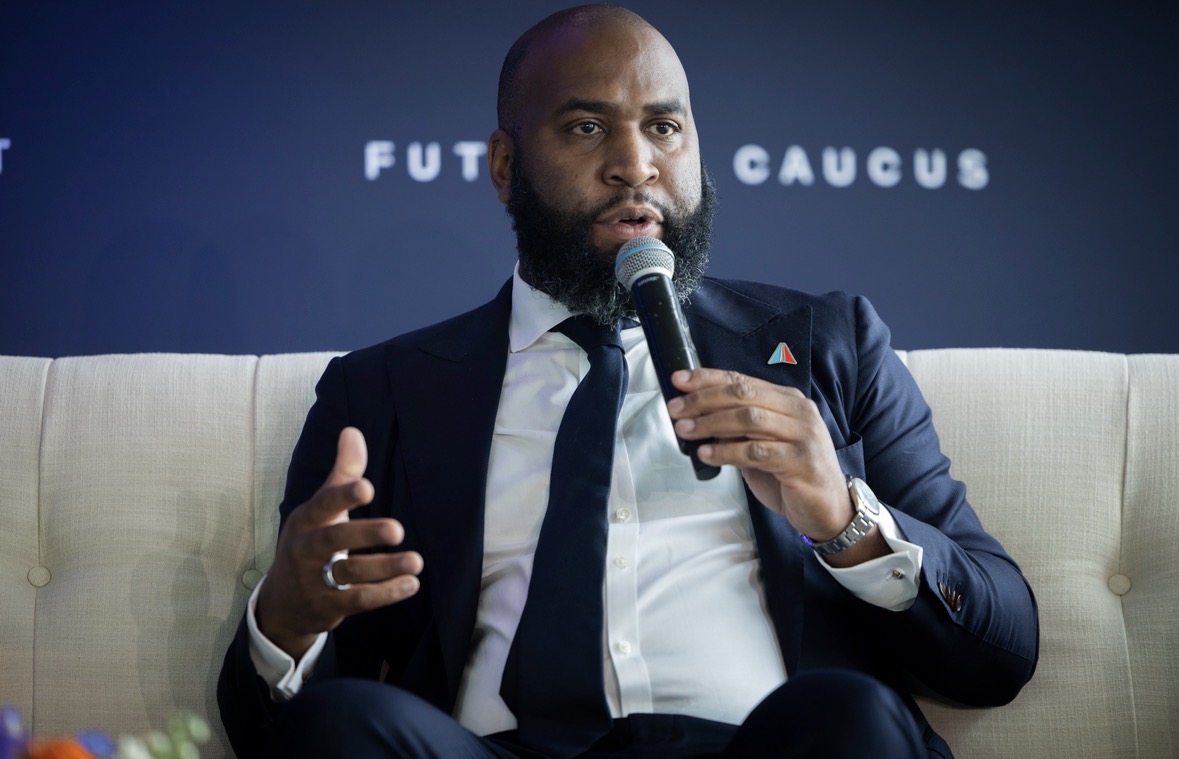
“What world am I giving my kid?” asked Asm. Brian Cunningham, D-N.Y. “That’s how I approach this work — trying to figure out how to balance the innovation … [with] guardrails and consumer protections.”
A central challenge regarding AI governance is that the technology is evolving far faster and more erratically than the institutions responsible for governing it, and evidence shows that AI abilities are accelerating, not slowing.
Hinchey emphasized the necessity of responding flexibly and preparing for dangers AI could introduce. She compared AI to social media, saying that the failure to quickly adapt to new technologies and implement regulations led to tangible — in some cases fatal — harm.
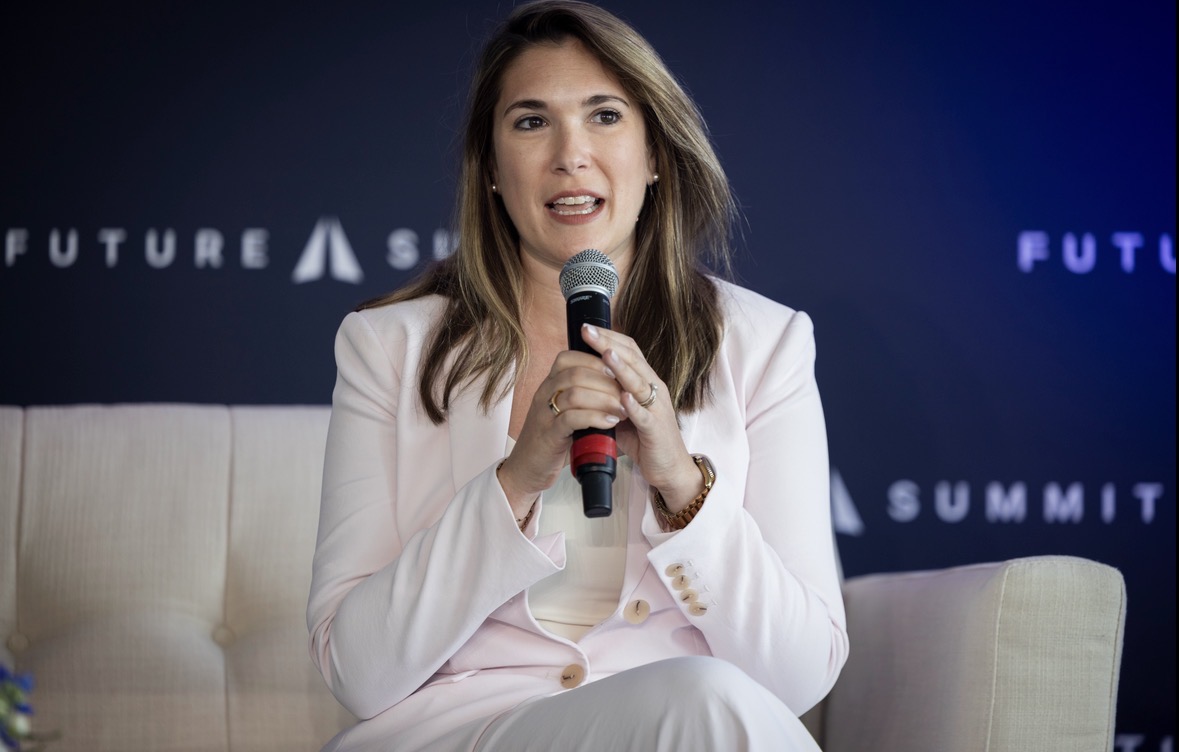
“We don’t want to wait until there’s harm caused,” Hinchey said about the urgency of regulating AI tools. “People don’t know what they’re using, they don’t know the harm down the road. How do we make it so that in five years or 10 years or two years, we’re not saying, ‘I wish we did that thing?’”
While many like Hinchey are focused on protecting American workers and consumers from potential harms, other actors — including in the federal government — oppose proactively establishing guardrails on the technology, favoring rapid growth and innovation to win the AI ‘arms race.’ This pressure unsurprisingly trickles down to state lawmakers.

“Perhaps even though we have a lot of opportunities to legislate and regulate, what’s too far?” said Asm. Anil Beephan Jr., R-N.Y.
Lawmakers are also wrestling with the question of which level of government should take the lead. While a federal framework could provide helpful consistency across the country, state-led regulation allows policymakers to respond quickly to new developments and experiment with different approaches. At the moment, there is no comprehensive federal regulation of AI, but 47 states have some sort of AI legislation in place, according to Orrick AI Law Center.
Chris McIsaac, who studies AI usage in elections as a resident fellow at R Street, said during the Future Summit panel that he believes there should be a federal framework governing AI development, which would allow states to regulate the usage of AI as they saw fit while remaining consistent with broader US policy. Without a shared framework, he argued, conflicting state laws could impede technological development and deployment, potentially undercutting the United States’ position in the global AI competition.
Rep. Monique Priestley, D-Vt. countered that states should take the lead on AI legislation, building upon a federally set baseline of minimum protections.

“It is the one bipartisan issue where we can come together to experiment,” Priestley said. “We [the states] are the laboratories of democracy. When we are scared into not being those laboratories, then I think all of America is let down by that.”
The lawmakers may disagree about the finer points of AI governance, but they found common ground on their ultimate goal: protecting their constituents. Legislators from both parties are introducing bills meant to prevent AI from detrimentally affecting citizens’ lives.
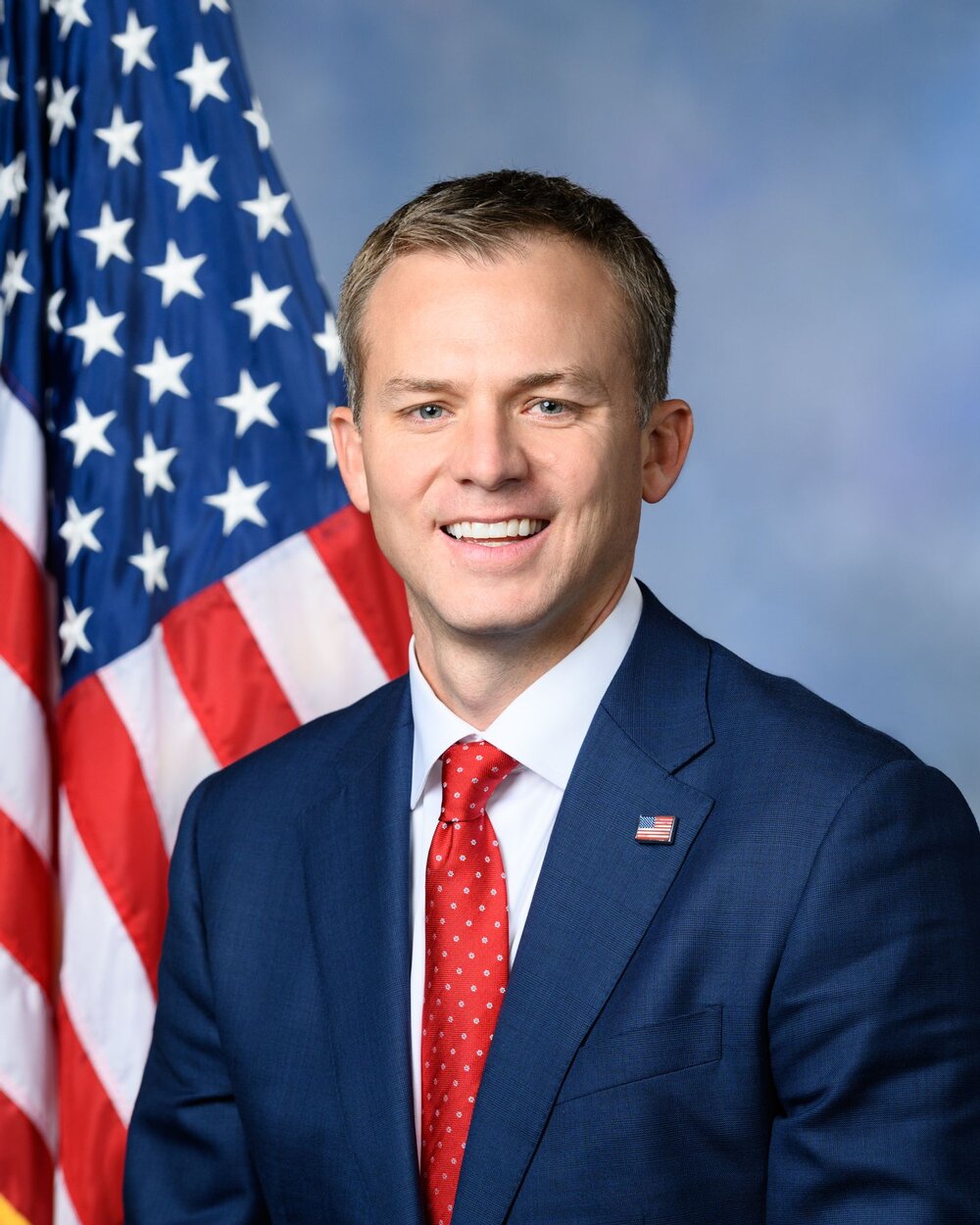
For example, panelist Rep. Joe Hogan, R-Pa., spoke about a bipartisan bill he introduced to establish a regulatory framework guiding the usage of AI in healthcare contexts in Pennsylvania, aimed at ensuring transparency and human oversight.

“How are citizens’ data being collected?” Hogan mused, explaining his motivation for introducing protective legislation. He added that lawmakers also need to consider whether AI should be making decisions about Medicaid eligibility, SNAP benefits and other government programs without meaningful human oversight.
Hinchey has focused on another aspect of AI adoption: its effect on the labor market. She sponsored a bill that would require companies in the state with more than 50 employees, as well as publicly traded companies of any size, to issue reports on the impact of AI on hiring. The bill — the first of its kind in the country — passed the state legislature in June and now awaits Governor Kathy Hochul’s signature.
Rather than trying to regulate every aspect of the technology, state lawmakers like Hogan and Hinchey are targeting specific applications where AI has tangible consequences for their constituents.
While the path forward remains unsettled, panelists from across the political spectrum agreed that AI is fundamentally reshaping society and requires thoughtful policymaking. Even as lawmakers debated where to draw the line between innovation and regulation, panelists repeatedly emphasized that AI governance is one of the few emerging policy areas where legislators from both parties continue to collaborate on practical solutions.
The debate is no longer whether AI demands government action, but how lawmakers can build policies capable of keeping pace with a technology evolving faster than the legislative process itself.





Join 2,000+ BIPARTISAN LEADERS NATIONWIDE
Be a part of a network of lawmakers committed to governing effectively, passing more representative public policy, and increasing public trust in democracy.