Move over, boomer – a new generation is headed to Capitol Hill
November 19, 2026
By Elizabeth Faragi and Ashna Balroop | Capital News Service Maryland
WASHINGTON — The halls of Congress will be filled with fresh, young faces in January as at least 103 members of Generation Z and millennials were elected this cycle, some taking the place of older members and incumbents.
Despite their youthful appearance, these candidates say they are prepared to lead. Adrian Boafo, the representative-elect for Maryland’s 5th Congressional District, told Capital News Service he has a duty to advocate for issues affecting members of his generation.
“With the fear and rising fears of AI, with an economy that’s not been fair to young people, people in my generation not being able to afford a home,” Boafo said, “I have a responsibility to head to Washington and speak for [that generation].”
Future Caucus, a nonpartisan nonprofit organization for Gen Z and millennial lawmakers, said in a press release that of the 269 races that have been called, millennials and Gen Zers have won 95 House seats, six Senate seats and two non-voting delegate seats.
Layla Zaidane, president and CEO of Future Caucus, said younger candidates who are fed up with the status quo ran in larger numbers than in past elections. She said the story is bigger than Congress.
“It’s really exciting to see how many of them actually won,” Zaidane said. “There are hundreds of newly elected millennials and Gen Zers at the state level too, and Americans are saying that they’re ready for change, and for a lot of people, sort of younger faces, people who maybe are more closely connected to the economic realities, the sort of real kitchen table issues that Americans are facing.”
One of these fresher faces is Sam Forstag, the representative-elect for Montana’s 1st Congressional District. Forstag told CNS that young voices are necessary in Congress.
“That’s exactly what we need,” Forstag said. “There are a lot of perspectives that are lacking in places like [Congress]. Perspective of younger folks is certainly one of them, and this class has taken a good bite out of that.”
Baby Boomers, Silent Generation held 41.9% of the House before midterms
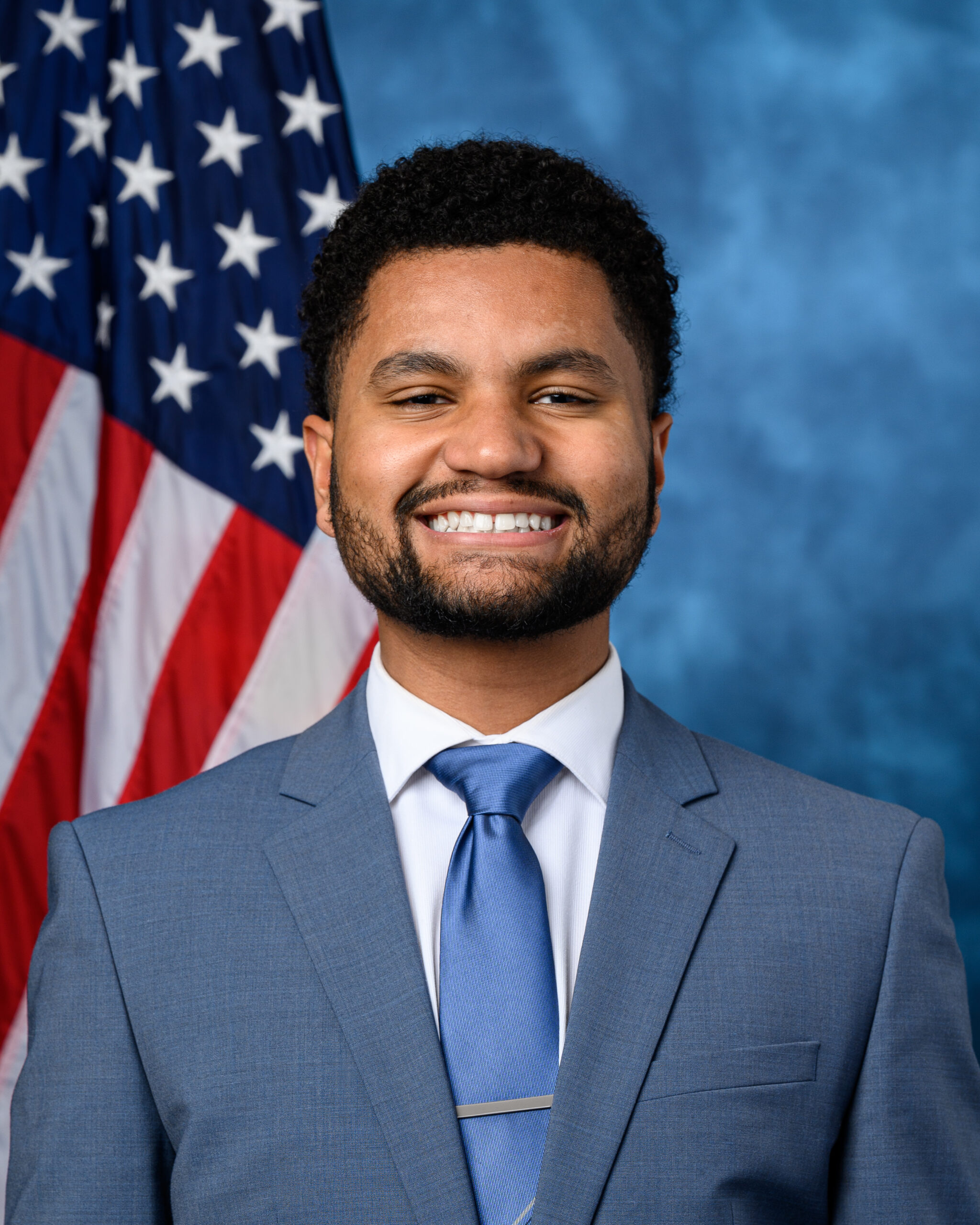
Rep. Maxwell Frost, D-Fla., was the nation’s only Gen Z representative.
A CNS analysis found the median age of the current Congress is 58 years in the House and 66 years in the Senate. With all these younger new voices, the median age will be pulled down to 56 and 62.5, respectively.
Baby Boomers, Silent Generation made up more than two thirds of the Senate before midterms
Millennials and Gen X, meanwhile, made up only a small share.
Zaidane said that younger people tend to be slightly better at coalition building, which makes passing bipartisan legislation easier, than older members of Congress.
“I think there’s a real opportunity here for the young people who just got elected to kind of flex those muscles and build those coalitions, bring back to Washington a sense of sort of working together on real problems that I think older generations have definitely struggled with,” Zaidane said.
Zaidane also said younger members have a greater understanding of issues affecting young people. She expects younger members of Congress across party lines to prioritize these issues, like affordability.
Forstag and Boafo are two of the 47 newly elected millennials in Congress. This figure includes two delegates. Two new Gen Zers were also elected to the House. In addition, 53 millennials were reelected to Congress and one Gen-Z was reelected.
“You need people from all walks of life, from all generations, to show up and work together. And so, I think the election was a huge step forward in sort of correcting that balance,” Zaidane said.
CNS Reporter Jacob Tiger contributed to this story.




Join 2,000+ BIPARTISAN LEADERS NATIONWIDE
Be a part of a network of lawmakers committed to governing effectively, passing more representative public policy, and increasing public trust in democracy.