Prescriptive Policy: How Lawmakers’ Health Care Backgrounds Are Shaping Harm Reduction
June 11, 2026
By Eva Herrick and Elizabeth Rosen
The opioid crisis is one of the nation’s most significant public health emergencies. In 2023, an average of 217 people died every day from an opioid overdose, straining the economy, health care systems and communities across the country. For legislators, tackling a problem this complex requires diverse perspectives and innovative solutions.
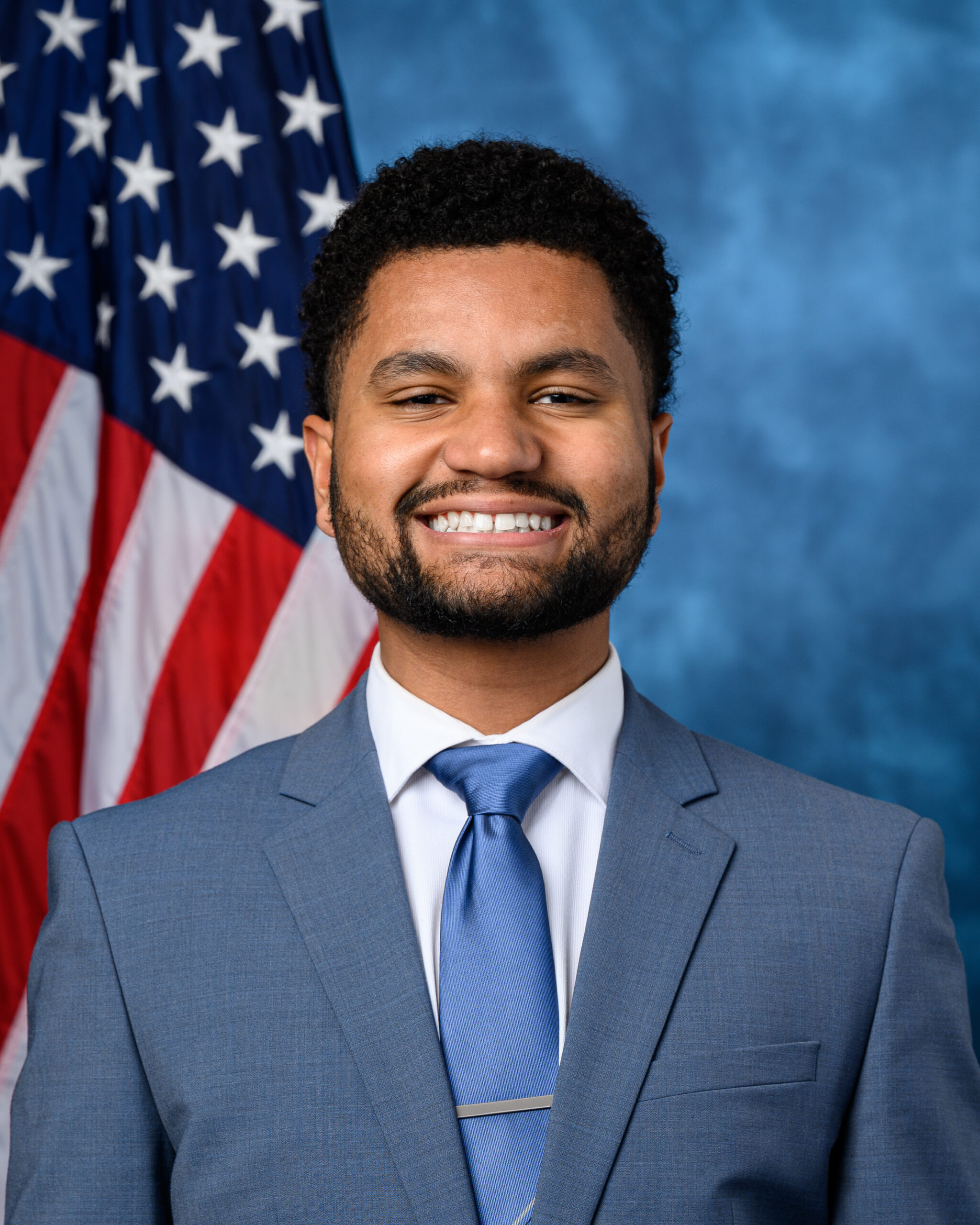
Rep. Jennifer Mandelbaum, D-N.H., who brings her health research into policymaking, is among the lawmakers leveraging experience beyond the legislature to advance harm-reduction policies. For some, their health care backgrounds drew them into public service in the first place.
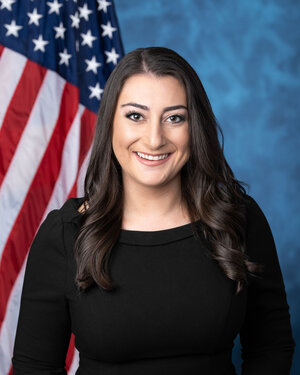
One of them is Rep. Megan Srinivas, D-Iowa, an infectious disease specialist by training who represents Iowa’s 30th state House district. Through her work in medicine, she saw patients with HIV, hepatitis C and heart infections secondary to drug use who were cut off from resources for safety and rehabilitation — people she had grown up with and cared for, struggling in ways her prescription pad couldn’t fix.
“The only reason I even thought about running was when I saw that my patients were being left behind,” Srinivas said in an interview.
Mandelbaum, a public health researcher, sees her part-time New Hampshire seat as a chance to turn research into policy. She has drafted bipartisan legislation like HB 73, expanding Narcan access and creating a substance use disorder access point program. “I don’t care if it’s a D or an R or an I for ‘Independent.’ Good policy is good policy.”
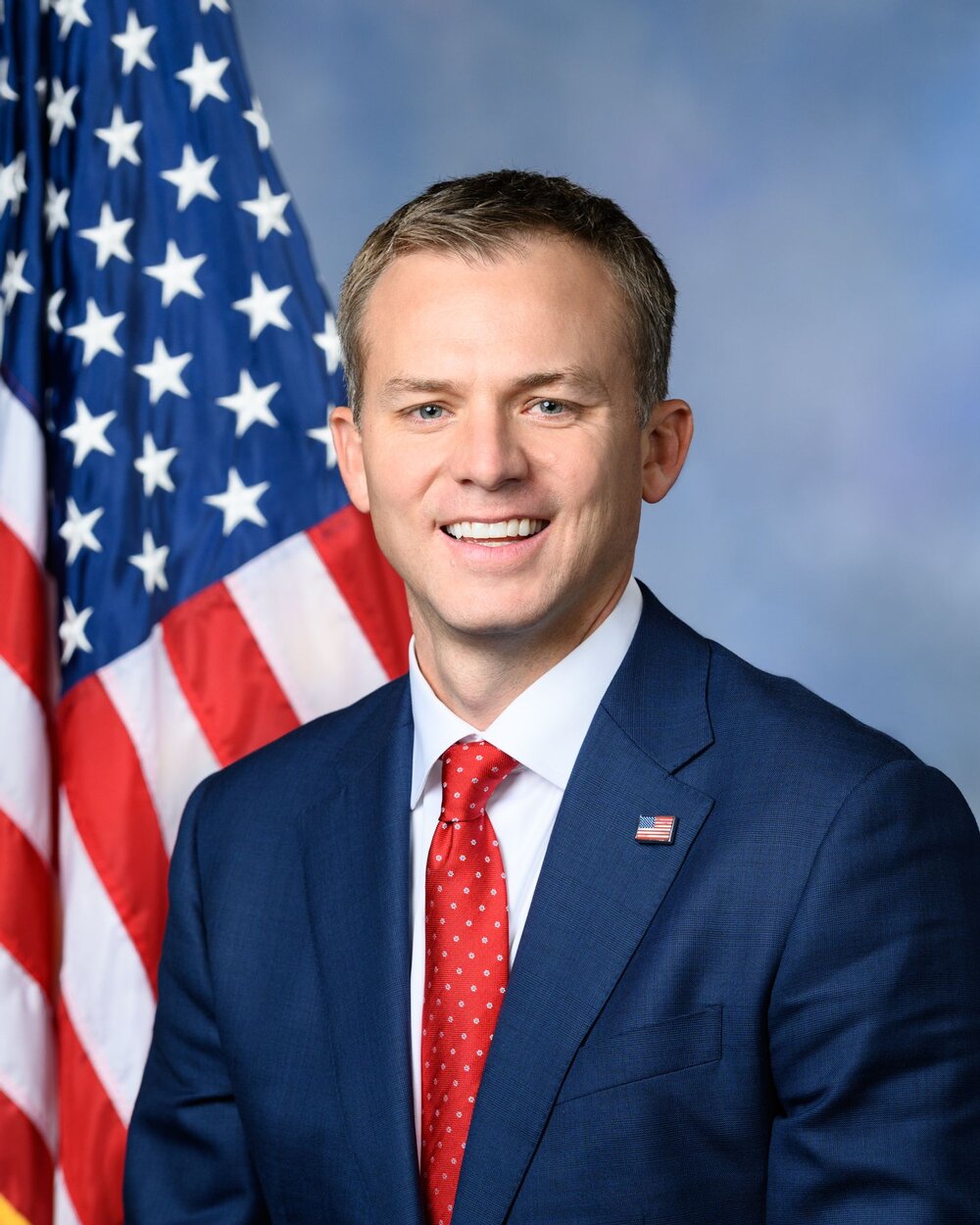
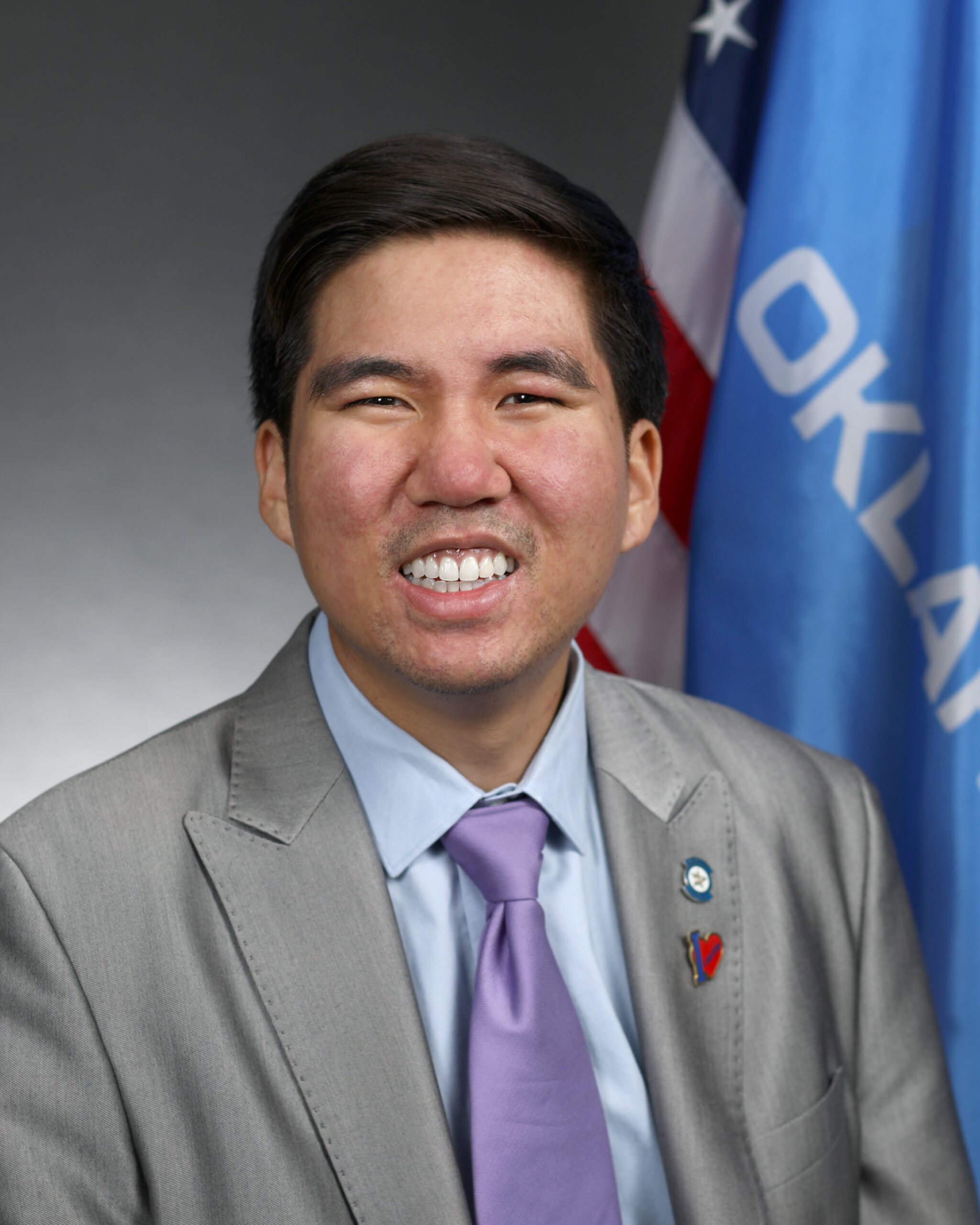
That cross-party trust also proved decisive in Oklahoma, where Rep. Daniel Pae, Republican co-chair of the Oklahoma Future Caucus, and Sen. Carri Hicks, a Democrat, spent nearly two years working to pass SB 511, establishing a needle exchange program to combat the state’s opioid epidemic. The effort began in 2020 with an earlier bill, HB 3028, and the two refused to let repeated delays derail it.
“What we’ve seen in other states that have implemented this type of program is a tremendous reduction when it comes to the level of addiction as well as the cost to the state,” Pae told Future Caucus in 2023. “Not to mention from a law enforcement perspective — one in three law enforcement officers experience a needlestick injury during their career.”
For Hicks, the collaboration was rooted in trust built through the Oklahoma Future Caucus. “I knew going into this bill that I could trust Pae to go for the big fish with me.”
Pae also credited the relationships built through the Future Caucus — a coalition spanning both parties and the urban-rural divide, including Rep. Carol Bush, R-Okla., Rep. John Waldron, D-Okla., and Sen. John Michael Montgomery, R-Okla. — with making the bill possible.
That impact has grown, but so has the urgency. SB 511 passed in 2021 with a five-year sunset clause, and Oklahoma’s authorization for harm-reduction programs is set to expire July 1, 2026. The programs have expanded in the meantime, with eight organizations now registered with the state health department and more than 1,000 overdose reversals recorded since 2021.
To keep them alive, Pae authored HB 2012 in 2025, partnering with Sen. Todd Gollihare, R-Okla. “These programs save lives,” Pae said last year. “The data speaks for itself: Harm reduction works, and it’s our responsibility to ensure they continue.”
HB 2012 passed the House 52-41 in March 2025 and moved to the Senate, but it did not become law during the session; the program remains on track to expire in summer 2026 absent further action.
For Srinivas, whose party holds a superminority in the Iowa Legislature, her field experience has been vital to bridging the aisle. She has found colleagues receptive to her medical expertise, often seeking her advice on health policy. “I was very fortunate that my colleagues, regardless of party, viewed my credentials as something objective, so they felt comfortable approaching me and talking to me about these issues,” Srinivas said.
That trust has powered her signature effort: HF 545, a bill to legalize fentanyl test strips in Iowa. When she introduced it — her first bill as a legislator — only half of U.S. states had legalized the strips; today Iowa is one of just four that haven’t. Undeterred, she keeps building bipartisan support, recruiting Republican co-sponsors to carry legislation under their names and sharing the medical data with colleagues.
Like many of her Future Caucus peers, Srinivas draws inspiration from her constituents, working closely with families who have lost someone to drug use. “It is so motivating to see their fight,” she said. “It’s people like that, it’s my constituents, it’s the potential for one of my patients to be saved through this that makes it worth it.”


Join 2,000+ BIPARTISAN LEADERS NATIONWIDE
Be a part of a network of lawmakers committed to governing effectively, passing more representative public policy, and increasing public trust in democracy.