Lawmakers Hold the Line on District Lines
May 7, 2026
By Eva Herrick
Being a state legislator comes with great responsibility—responsibility to your constituents, your colleagues, your party, and the Constitution. For two state legislators, national pressure to suddenly create a new district map was not a responsibility they anticipated.
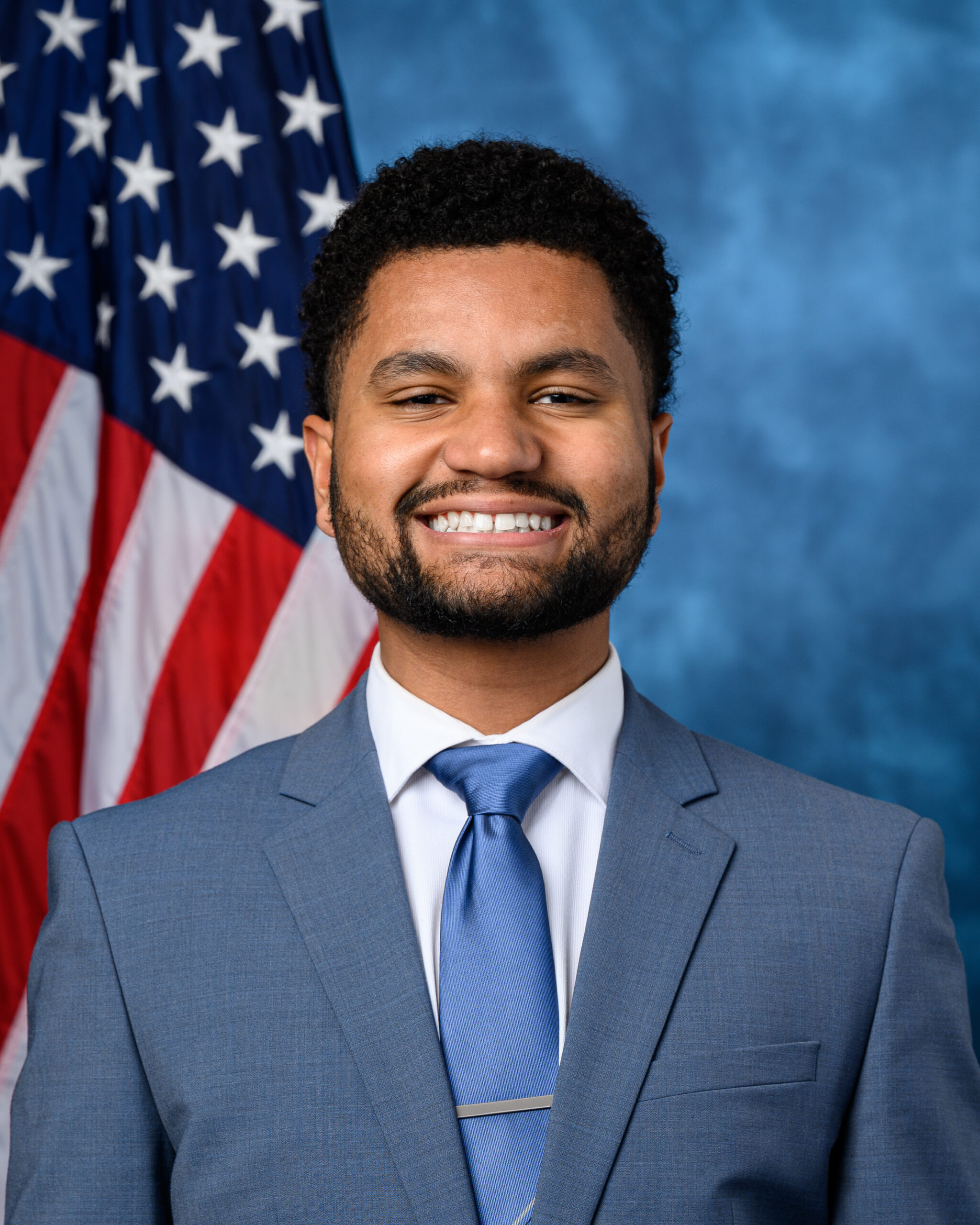
Last summer, Rep. Brandon Woodard, D-108, House minority leader and vice-chair of the Kansas Future Caucus, and his colleagues faced calls for a special session. The agenda for the proposed session, which was called in response to pressure from the governor and the White House, was to vote on a new congressional map that would take away all but two Democratic seats in Kansas.
While this proposal came as no surprise to Woodard and his colleagues, especially after highly publicized redistricting debates in Texas, California, and Missouri, something felt different when the national conversation hit so close to home. Luckily, Woodard, who is also a Future Caucus Civic Innovation Fellow, is no stranger to building strong networks to tackle tricky challenges, and he hit the ground running to form coalitions, build support in Republican holdout districts, and understand what constituents really thought.
What he found was surprising. Some of Woodard’s colleagues across the aisle, whose party would have benefited from the new maps, were also resistant to the proposal. The sense was that if the shoe were on the other foot, which it very well could be in future election cycles, departing from established procedure and changing the maps mid-decade without bringing everyone’s interests to the negotiating table was the wrong move.
“Kansans told us loudly and clearly,” Woodard said in an interview. “Wrong is wrong regardless of party.”
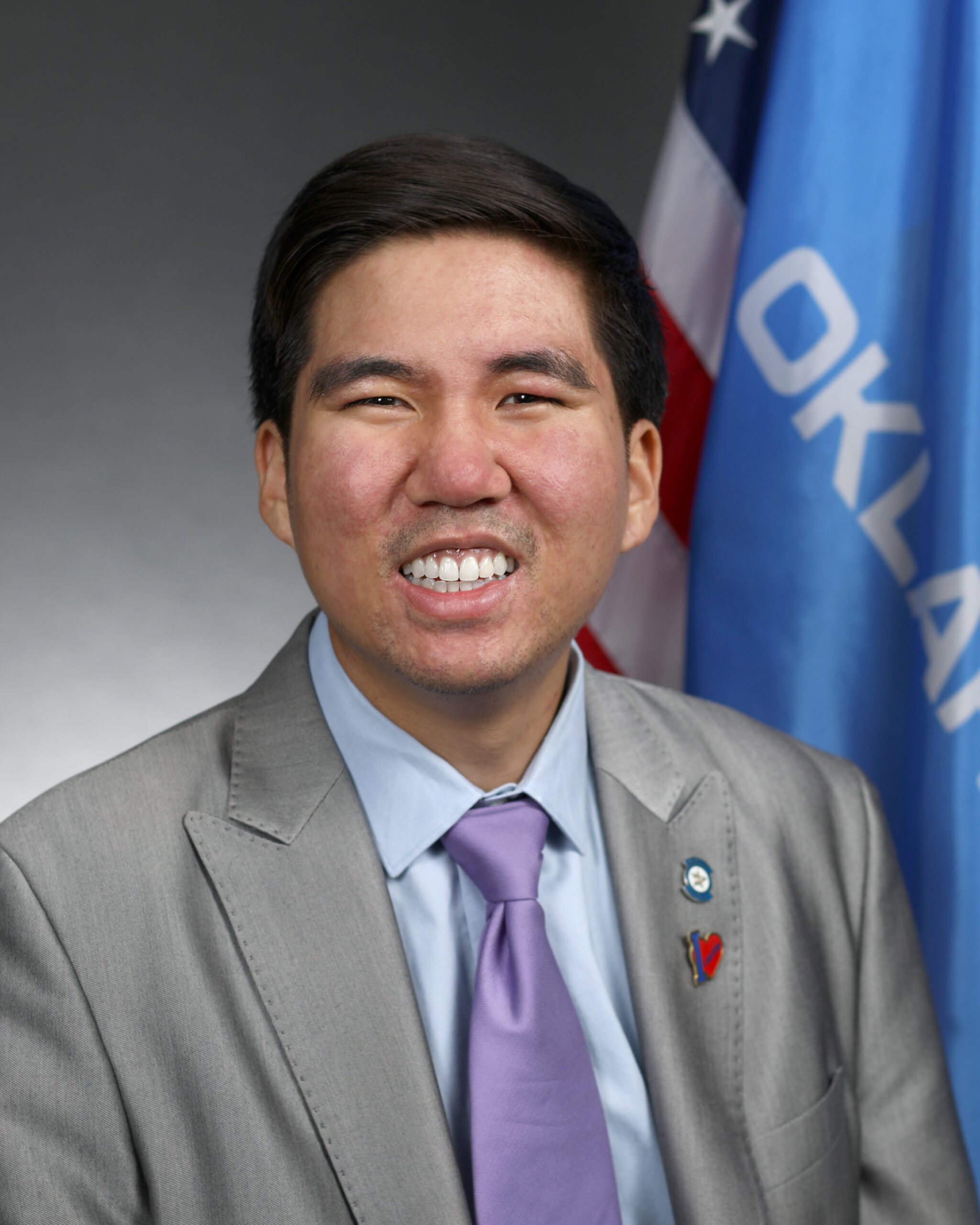
On the other side of the Rocky Mountains in Utah, Rep. Doug Fiefia, R-48, faced an equally charged discussion over congressional maps and how to best serve his constituents. For Fiefia, the question was not about whether to redraw the maps, but how.
On its face, Proposition 4, which established an Independent Advisory Commission to redraw Utah’s congressional maps, seemed like a fair solution to the politicization of redistricting. Utah voters supported it, and it aimed to increase overall accountability. The issue for Fiefia, however, was in the fine print, as the Utah Constitution stipulates that the legislature must draw all of the maps.
Given the national noise surrounding redistricting, bringing up the constitutional issues surrounding Proposition 4 immediately ignited a much larger debate and a subsequent legal battle over what constitutes a fair map and a fair process. To Fiefia, it was crucial to tune out this noise and focus on what mattered most: maintaining a fair and consistent districting process, upholding the Constitution, and representing his constituents.
“I represent the people of Utah and my district specifically, and I don’t represent the national commentary on it,” Fiefia said.
For both young legislators, the issue isn’t the maps themselves, but rather the firm belief that redistricting shouldn’t be about winning reelection or serving the interests of their national parties, but rather about ensuring up-to-date representation through a fair process characterized by transparency and accountability.
Preserving transparency in the map-drawing process resulted in greater overall transparency within the legislature, felt Woodard. Last summer, tensions over the state’s redistricting maps were at an all-time high. Woodard had to lean on not only what his constituents were calling him to do, but also find support from across the aisle.
“I’ve talked to some of these Republicans more in the last six weeks than I have in the seven years that I’ve served with them,” Woodard told Future Caucus in November.
This heated moment proved to be a real opportunity for Woodard to bridge the gap between himself and his Republican counterparts. As the legislature exemplified Kansan kindness, Woodard felt a renewed sense of camaraderie in the statehouse, which has since created more opportunities to understand why his colleagues vote in certain ways and what makes the biggest difference for each of their districts.
For Fiefia, a fair process is more important than a quick turnaround of updated maps, and crucial to a fair process is accountability, which includes upholding the checks and balances in the state’s Constitution that were undercut by Proposition 4. Fiefia wants to be a representative who his constituents can turn to, who upholds the public process of redistricting, and shuts down outside voices that try to dictate what should happen in the state.
“This should be the people of Utah coming together to say, we don’t actually want outside influences affecting our community,” Fiefia said. “We want our community to affect our community.”
For both Woodard and Fiefia, the headline and the party behind it are not what matters. Their focus is on maintaining a fair governing process, and serving their constituents to the best of their ability.
Join 2,000+ BIPARTISAN LEADERS NATIONWIDE
Be a part of a network of lawmakers committed to governing effectively, passing more representative public policy, and increasing public trust in democracy.