The Problem with “Fighting Polarization” and a Better Path to Unity
September 16, 2026
By Kathryn Peters | Nonprofit Quarterly
What if the solution to our deeply polarized political life was more imagination, not less conflict? Centering so much of our public discourse on division—whether lamenting how far apart we stand or countering that we still have a lot in common—does not serve to heal those divides and may even reinforce fears that our sense of common purpose is beyond repair. Polarization itself is less a problem to solve but a symptom of deeper social and political change, and we address it by building capacity to work through disagreement rather than stifling it.
Across the country, organizations are already taking a different approach. Future Caucus has built a bipartisan network that helps young legislators collaborate more effectively to solve problems for their constituents, while Generation Citizen equips young people to engage with their communities, navigate differing perspectives, and develop solutions to local challenges. Their work shows how to strengthen the institutions and relationships that make collaboration across difference possible.
What these organizations’ experience suggests is that we can still build together by offering ambitious visions that inspire and invite big-tent participation, take a problem-solving approach that identifies common goals and common ground, and provide tools for addressing division without insisting that every difference be bridged. The response to a deeply divided and distrustful public isn’t to lean into further division, and it’s not to ignore our differences. It’s to dream bigger.
Why Not Tackle Polarization Head On?
Polarization is often an unavoidable side effect of social change. Steven Levitsky and Daniel Ziblatt note in their book How Democracies Die, “The process of racial inclusion that began after World War II and culminated in the 1964 Civil Rights Act and 1965 Voting Rights Act would, at long last, fully democratize the United States. But it would also polarize it, posing the greatest challenge to established forms of mutual toleration and forbearance since Reconstruction.”
Nostalgia for past eras of bipartisan harmony overlooks how many US voices were excluded to make that level of agreement possible. It’s both natural and incorrect to want to meet in the middle. Doing so ignores differences in power and the underlying values or goals in conflict. For example, many movements for greater equality are led by groups who’ve been marginalized or excluded and face opposition from elites with established power. As my former colleagues Daniel Kreiss and Shannon McGregor put it in their report, “A Review and Provocation: On Polarization and Platforms,” “polarization [as a framework] does not provide a normative or even conceptual way of distinguishing between White supremacists and racial justice activists, despite their asymmetrical relationship to liberal democracy.”
Finally, solving polarization is a negative goal: one that proposes an absence of conflict. Hope in a positive vision of the possible is a much more powerful motivation. We can acknowledge the harms of polarization (especially in affective forms that erode our ability to collaborate) while also recognizing the need to define a future worth collaborating to build rather than simply exhorting everyone to get along.
Dream Bigger
What kinds of visions can inspire across established divides? One promising vision: a generational shift in our politics. Future Caucus convenes and supports young legislators interested in delivering legislative wins and solving real problems for their communities, which they’ve found are motivating across party lines. Generation Citizen’s target audience is even younger—they provide experiential civics education in high schools that activates students to identify and address key issues in their communities.
Other visions look to both the future and the past. Democracy 2076 facilitates large-scale conversations about what Constitution we will need in 50 years and research on issues that could serve to shift political coalitions, while the League of Women Voters continues to find new purpose in its founding belief in the power of women to create a more perfect democracy. Both these missions invite participation across our many differences.
A compelling vision doesn’t need to be grandiose. As many communities are discovering, uniting to ensure local oversight and quality-of-life protections for new data center projects can be quite practical and immediate, too.
Build Common Ground
Though partisan divides might be the most visible form of polarization in our public life, many intractable differences run through US society. Successful approaches are anchored in some common ground, whether it’s rooted in a specific community and sense of place or a shared identity.
The students in Generation Citizen’s curriculum select issues at play in their own communities, anchoring their work in a specific place. When they present their recommendations at Civics Day, they’re sharing them with elected officials and other decision-makers who might not share their assessment but do share membership in that same community. Members of Future Caucus hold two shared identities, both generational (as Millennial or Gen Z) and professional (as legislators). The common challenges and demands of elected office provide a foundation for collaboration.
Place-based approaches are popular—many people care deeply about the communities they call home. Funder collaboratives like the Trust for Civic Life invest in building trust through local collaborations responsive to local needs, while initiatives like the Participatory Budgeting project or FIDE support specific practices that involve local communities in self-governance. Communities of faith also play leadership roles in initiatives that range from Interfaith America’s pluralism work to A More Perfect Democracy’s Jewish Partnership for Democracy to the advocacy of Mormon Women for Ethical Government.
Practice Constructive Disagreement
Building a community across divides is not for the faint of heart. Even if there’s strong alignment on some shared purpose, major differences in values and goals will come up. And when our public discourse is so well-trained in seeking the perfect barb or own, any organization doing this work needs clear norms and habits that support coming to shared understanding rather than declaring a winner.
Future Caucus has built robust infrastructure for collaboration. Their Innovation Lab is one such venue—it deliberately creates a space to promote evidence-based policy development. The Lab hosts a policy library, expert briefings, and a space for lawmakers to connect across party and geography to define data-driven approaches to pressing issues ranging from criminal justice reform to the future of work. Members identified shared priorities for innovative approaches that includes revisiting mandatory minimum sentencing practices, expanding broadband access, and providing universal school meals. While some of these policies are broadly popular across bipartisan lines, others benefited from that data-first approach to building a shared understanding of the problem and how to address it in the law.
Generation Citizen’s project-based approach gives students tools to map their local civic landscape to select relevant issues, conduct research, and propose solutions. Each project begins with drafting a “classroom constitution,” requiring students to define their own frameworks for working together and navigating differences. Issue mapping also invites students to understand existing disagreements and imagine constructive resolutions. As one student participant put it, “I found that the most interesting part about this class project was seeing and observing other people’s views on issues they found important. Not only did I learn more about my peers, but this project also encouraged me to take into account other people’s thoughts.”
Practicing bridging habits doesn’t require a specific project to be effective. We can all practice talking about our opponents with dignity. Politicians who set the tone can disagree better. But it’s even more effective when real wins are at stake, making the effort feel worthwhile, and when trust and common ground are already established.
Don’t Solve for Every Difference
The ultimate goal of a democracy is not consensus; it’s to reach decisions collaboratively, transparently, and fairly. Effective collaborations identify which issues need agreement to move forward and which distract from their goals. Which issues fall where depends entirely on the community and its vision, but finding ways to accept imperfect alignment is critical.
When the students in Generation Citizen’s program complete their curriculum, they present their work at a Civics Day, where decision-makers and other stakeholders engage with the students’ proposals. Connecting students directly to the leaders and systems they’re studying is powerful–93 percent of students complete the project confident that they can form plans to address problems, and 81 percent believe they can make a difference. That presentation does not promise that the audience will implement (or even agree with) the students’ recommendations. The students learn to advocate without a guarantee of change; the real lesson is in claiming their own leadership and agency to speak up even when they aren’t immediately heard. In fact, one Philadelphia student studied gentrification and went on to volunteer with a local nonprofit organization where she now teaches others about eminent domain.
Future Caucus’s members focus on building consensus where evidence, data, and debate matter. Issues where innovation and effectiveness can’t reframe divides? Those fall outside their scope, but culture grounded in empathy ensures caucuses remain welcoming even as important divisions remain addressed.
As I came to understand through my own work with the researchers at the Center for Information, Technology, and Public Life, if calls for greater equality often increase polarization, it’s important to create spaces that can withstand controversy and make space for the slow work of changing minds. We haven’t completely fulfilled the promise of US pluralism yet, and there’s no perfect balance between patience and complacency as we work toward that goal.
Celebrate the Wins
In a moment when the threats to our system of self-governance are urgent, it’s easy to dismiss modest progress and embrace despair.
Future Caucus hosts annual Rising Star awards to celebrate moments where bipartisan efforts brought real change for constituents. They publish case studies of the kinds of policy wins that collaboration makes possible. For example, Future Caucus members in the Arkansas state legislature co-sponsored and led the effort to pass legislation to improve maternal and child health, including expanded Medicaid coverage for pregnant women, improved reimbursements for prenatal care, and funding for doulas and community health workers. At Generation Citizen, Civics Day celebrates the students and their work. Local leaders’ participation underscores the value of student insights and contributions.
The women’s suffrage movement once created banners emblazoned with “A Woman Living Here Has Registered to Vote,” celebrating their enfranchisement. When I worked to design a preview image for a voter registration tool that would appear on social media when anyone shared the link, I first thought to use the tool’s logo. A designer friend fashioned an alternative that resembled an “I voted” badge that said, “I’m a voter!” Guess which one more people wanted to share?
A single voter registration is small. Young people’s recommendations for improving their communities are a bit bigger. A bill that expands health coverage for children in one state is quite large. If you’re tempted to give up on the messy work of democracy, look for the wins still happening—or go make one of your own.
Our nation’s next 250 years won’t be a time of perfect harmony. But even now, these leaders (and many more) show that we can still come together to build what matters, find agreement where we can, and accept where we can’t (at least, not yet).
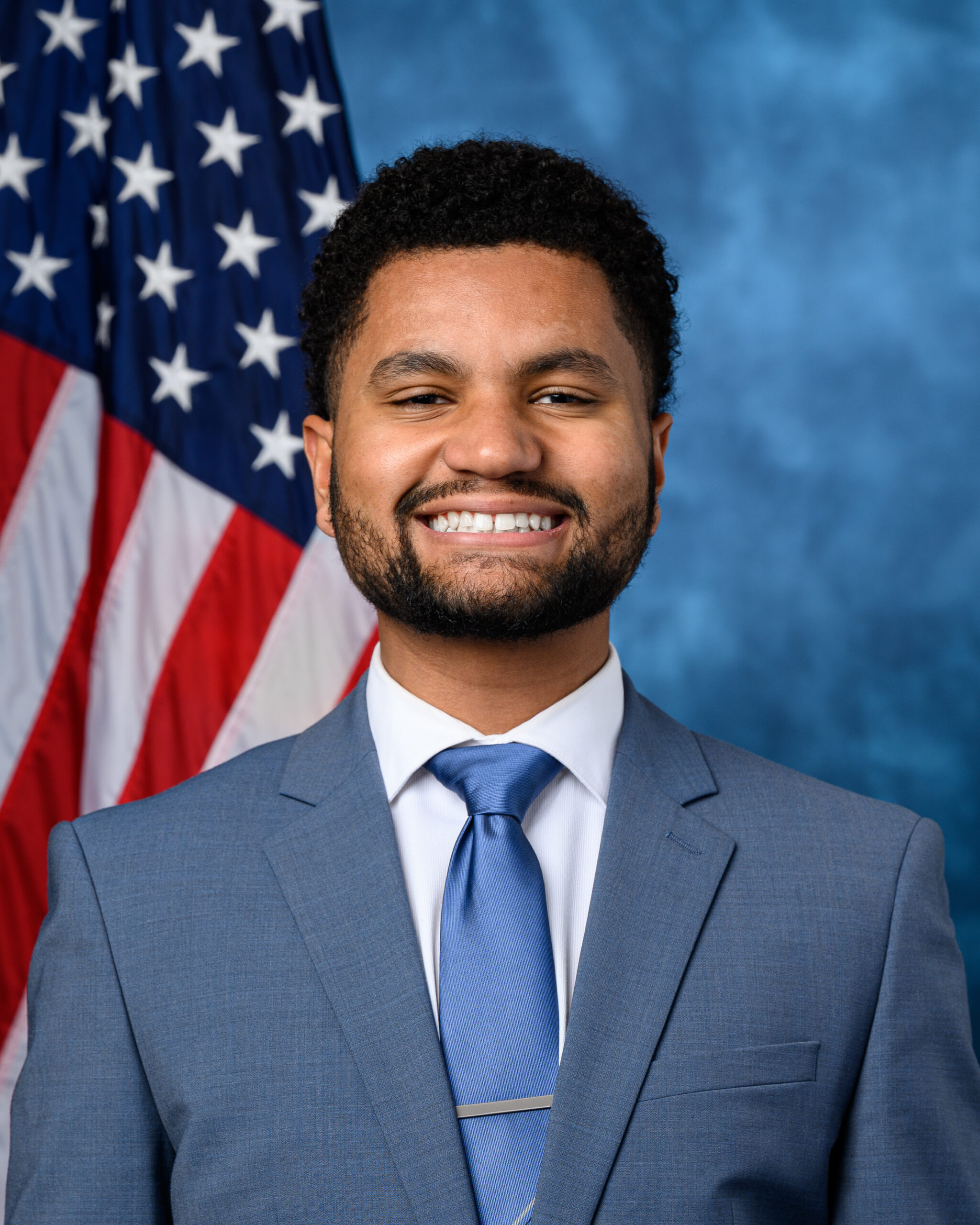

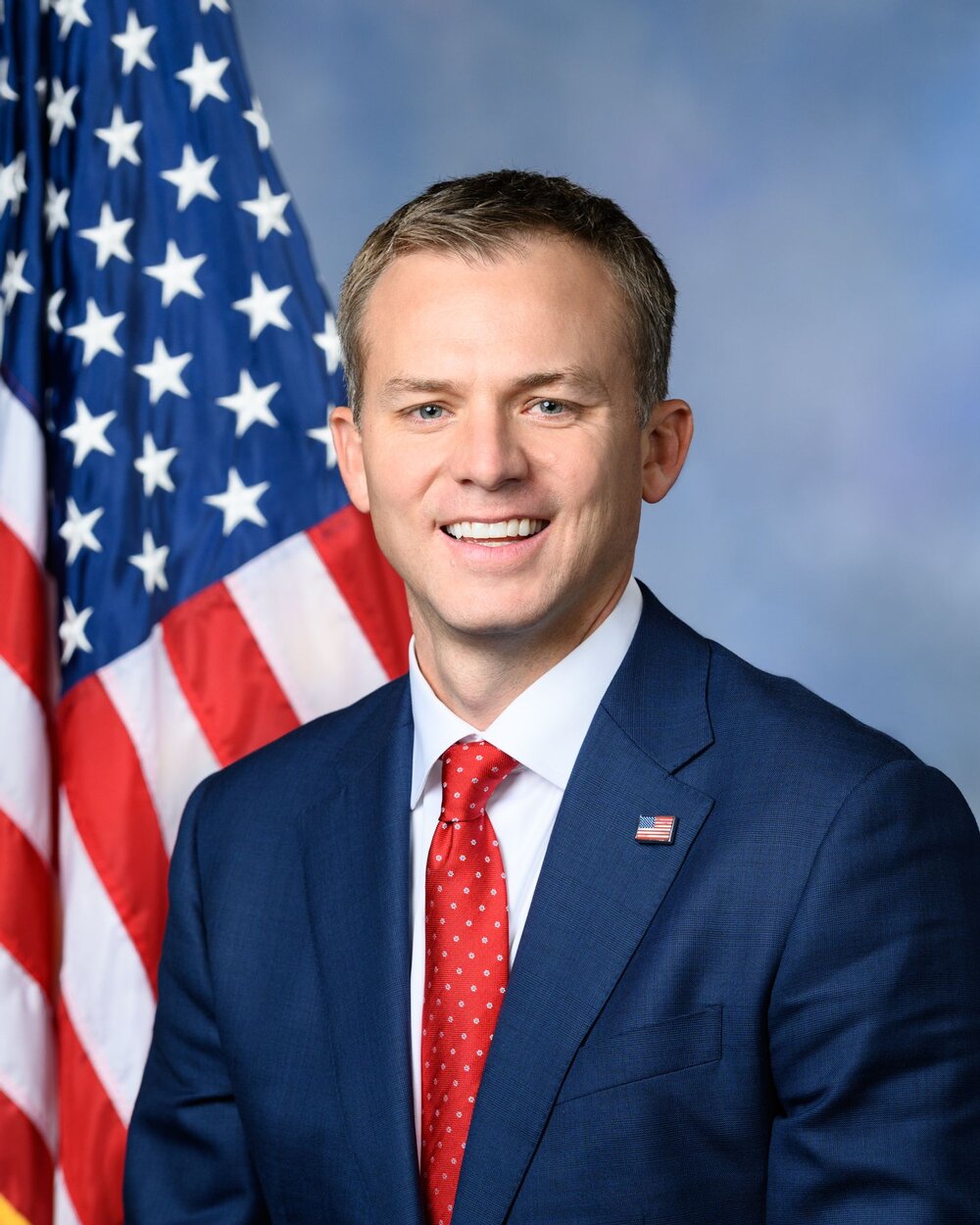
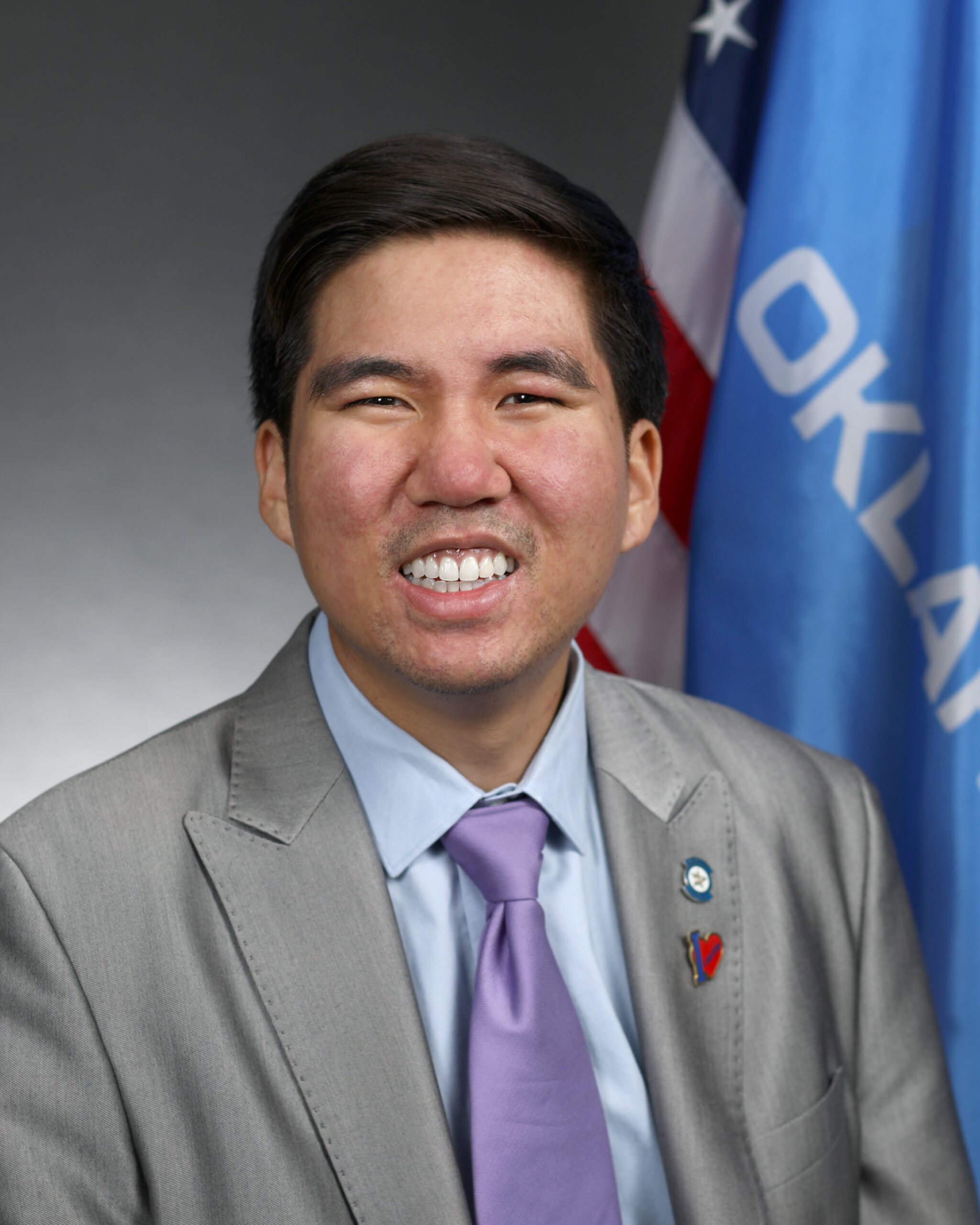
Join 2,000+ BIPARTISAN LEADERS NATIONWIDE
Be a part of a network of lawmakers committed to governing effectively, passing more representative public policy, and increasing public trust in democracy.