To Advance Education, Sen. Tobin and Rep. Ruffridge Put Alaskans Over Party
March 5, 2026
By Eva Herrick
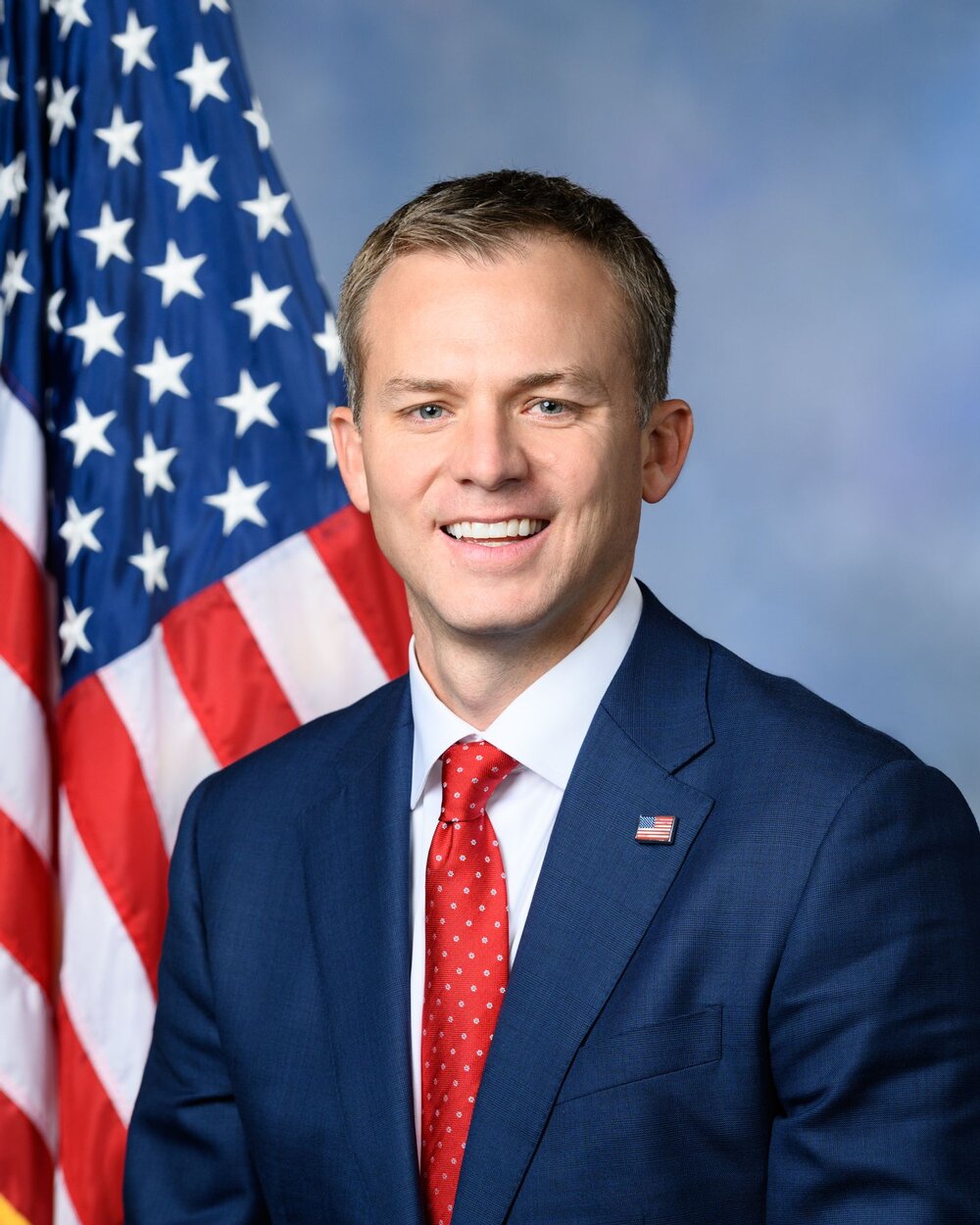
Upon first glance, State Senator Löki Gale Tobin and State Representative Justin Ruffridge seem to have little in common beyond their home state of Alaska. Early on in their legislative careers, Tobin and Ruffridge went on a state delegation trip to Arizona, where the air was a dry 106 degrees. Naturally, the two Alaskans were way out of their element, so they gravitated to the air-conditioned space where Tobin and Ruffridge discovered their first commonality; they had both just turned 40. While this might have been the first common ground that Tobin and Ruffridge found, it certainly wasn’t the last.
Despite their differences, Tobin, the Democrat senator for Senate District I in Anchorage, and Ruffridge, a Republican representing House District 7 on the Kenai Peninsula, came together with their colleagues in 2025 to pass HB 57, a comprehensive education bill which includes $175 million for classrooms across the state. In November, the pair received the Cherisse Eatmon Collective Impact Award at Future Caucus’ Rising Star Awards for this monumental cross-partisan effort.
Tobin and Ruffridge met in 2023 during their first year in the legislature, where they were each selected by their respective chambers to lead an education committee. In these roles, Tobin and Ruffridge embarked on a long process to reform Alaska’s education system together.
“We found early on that we were going to need to work together on this topic,” Ruffridge told Future Caucus in an interview. “Or else we were going to get run over.”
To overcome pressure from both sides of their chambers, Tobin and Ruffridge had to connect over their differences. The diversity in their own educational experiences, in public school and homeschooling, for Tobin and Ruffridge respectively, informed their approach to reform. Alaska is a massive state with immense regional diversity, so Tobin and Ruffridge had their work cut out for them developing policies that could serve schools both in areas without roads or access to supplies, and in cities like Juneau.
While Tobin and Ruffridge united over common goals for stable education funding and student support, securing support from the full chamber proved more difficult. In their first session together, the pair worked on the first major education bill that year, SB 140. Regardless of the bill’s overwhelming bipartisan support, it was vetoed by the governor, with the legislative override failing by one vote.
In the 34th legislative session, the challenge of passing education reforms only grew. Tobin and Ruffridge refused to accept defeat, even as their new education bill, HB 57, faced two separate veto override votes, which required the highest vote threshold for revenue bills in the United States—three-quarters, or 45 out of the legislature’s 60 members.
“Walking into that special session, there was sweat dripping down my back,” Tobin said. “Although we’d done the work and we knew where our vote tally was, it was beyond nerve wracking.”
The pair never strayed from their commitment to education reform. In August, HB 57 was finalized after a 10-month legislative process. The final bill included comprehensive reforms such as caps on classroom sizes in public schools, a cellphone ban, reduced administrative burden on newly formed public charter schools, and funding for student transportation, vocational training, and career technical programs. The bill also outlines the creation of an education task force to propose public school funding reforms to support schools across the state.
Tobin and Ruffridge credit part of HB 57’s success with the funding element that was central to the bill. Since Alaska only has a corporate income tax and taxes its natural resource extraction, funding any policy is a challenge. Legislation tied to HB 57 identified future provisions to offset additional spending, which not only helped avoid wasteful government spending from one-time funding education and helped get fiscally conservative Republicans on board, but also remedied the structural flaws in prior education bills, like the Alaska Reads Act, which had been underfunded since its passage.
The bipartisan champions of the bill also overcame legislative roadblocks by including specific policies that other members cared about. The first time around, Tobin recalled lawmakers coming to her with minor policies that they wanted to be included in the reform package. By bundling these issues together, Tobin and Ruffridge helped draft a bill that could benefit all of Alaska, which is home to a diverse group of constituents and lawmakers.
The success of HB 57 would not have been possible without Tobin and Ruffridge’s commitment to bipartisan leadership of a diverse coalition of lawmakers. While balancing party politics and their professional relationship was difficult, Tobin and Ruffridge maintained their partnership through years of personal sacrifice and collaboration not only in session but after hours, on the weekends, and over the summer.
“There are forces to the right of Justin and there forces to the left of me that constantly are pulling us apart,” Tobin said. “At the end of the day, we don’t have much that we can offer except for our word.”
By maintaining clear communication and expectations, Tobin and Ruffridge built an effective partnership grounded in trust—something far easier said than done. As a result, they were able to navigate across deepening partisan divides and do what their constituents expected of them, which was to look beyond partisan labels and deliver reforms that directly address the state’s most pressing needs.
“First and foremost, our work on education has to be about Alaska’s children, and how we take care of them in the best way possible,” Ruffridge said.


Join 2,000+ BIPARTISAN LEADERS NATIONWIDE
Be a part of a network of lawmakers committed to governing effectively, passing more representative public policy, and increasing public trust in democracy.